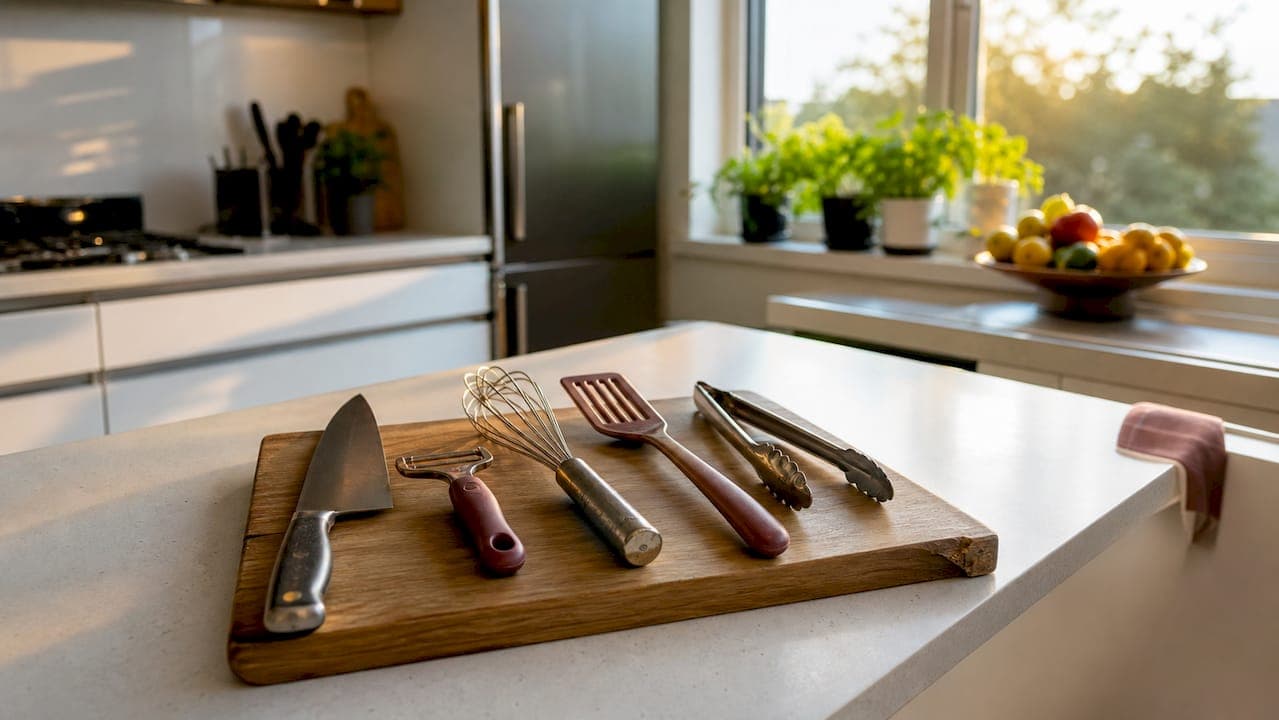
Kitchen utensils are defined as handheld tools used daily for food preparation, cooking, and serving, each with a specific name and function you need to know. Learning kitchen utensils names and pictures together is the fastest way to build real confidence in the kitchen. When you can look at a tool and immediately name it, you use it correctly and safely. Adultingwithfood is built on exactly this idea: that beginners who know their tools cook better, waste less food, and feel more in control. This guide walks you through every major category of cooking utensils, with names, functions, and tips to help you remember them all.
1. What are kitchen utensils names and pictures for prep tools?
Preparation tools are the first category every beginner should learn. Kitchen utensils are categorized by function into prep tools, mixing tools, serving tools, and cookware. Knowing this system makes it much easier to organize your kitchen and your learning.
The most used prep tools include:
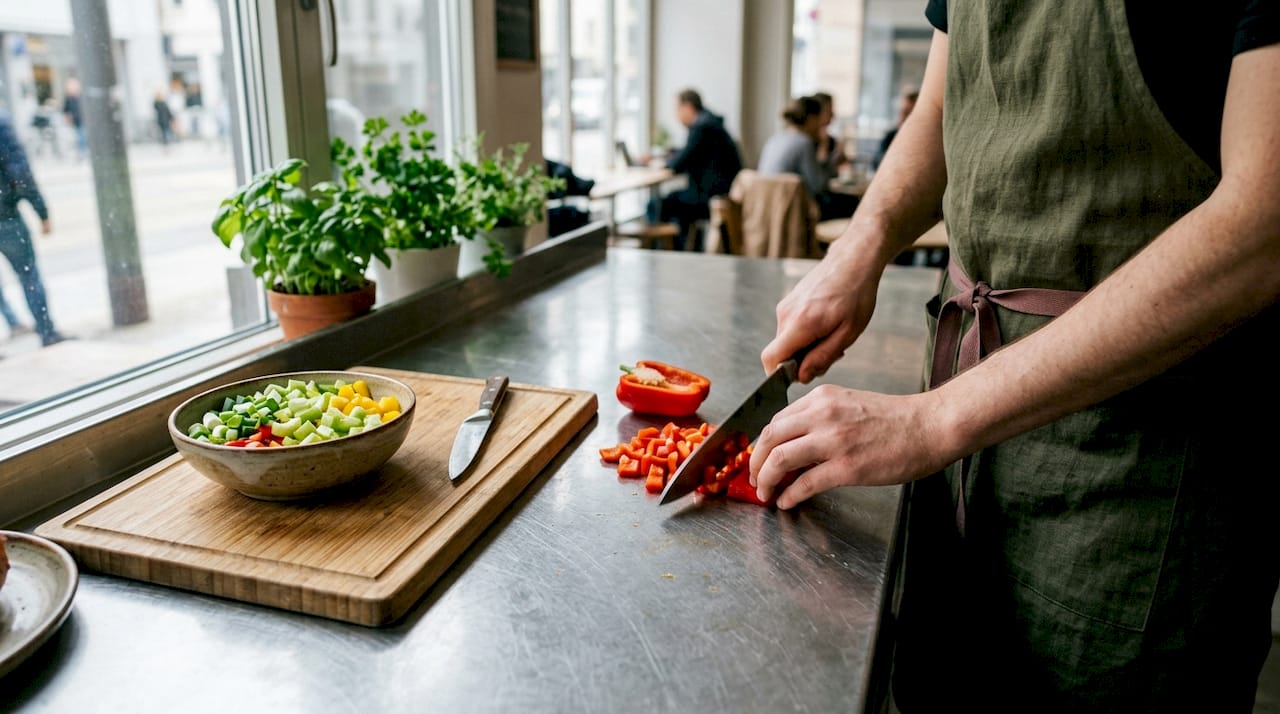
- Chef's knife: The workhorse of any kitchen. Used for chopping vegetables, slicing meat, and mincing garlic.
- Paring knife: A small, short-bladed knife for peeling fruit, trimming vegetables, and detail work.
- Vegetable peeler: Removes skin from potatoes, carrots, and cucumbers quickly and safely.
- Box grater: Shreds cheese, zests citrus, and grates vegetables. The four sides offer different textures.
- Cutting board: The flat surface where all knife work happens. Wood and plastic are the two most common materials.
- Colander: A bowl with holes used to drain pasta, rinse vegetables, or strain liquids.
Each of these tools handles one specific task well. A chef's knife, for example, does not replace a paring knife for fine detail work. Knowing the difference saves you frustration and keeps your fingers safe.
Pro Tip: Choose a chef's knife with a full tang (meaning the blade metal runs all the way through the handle) for better balance and long-term durability.
2. Common cooking utensils names and pictures for everyday meals
Cooking utensils are the tools you reach for once the heat is on. A beginner's kitchen inventory should prioritize 10–15 essential items, covering the vast majority of basic cooking needs. Getting these right from the start saves money and clutter.
Here are the core cooking tools you need to know:
- Spatula: A flat, flexible tool for flipping pancakes, burgers, and eggs. Silicone spatulas also scrape bowls clean.
- Whisk: Used to beat eggs, blend sauces, and incorporate air into batters. Wire whisks are standard.
- Ladle: A deep-bowled spoon on a long handle, used for serving soups and stews safely.
- Tongs: Spring-loaded grippers that let you turn meat, toss salads, and handle hot food without burning yourself.
- Wooden spoon: The classic stirring tool. Safe for all cookware surfaces and heat-resistant.
- Mixing bowls: Nesting sets in multiple sizes for combining ingredients, marinating, and prepping.
Cookware is the category that holds everything together. A frying pan handles eggs, sautéed vegetables, and pan sauces. A saucepan is for boiling water, making oatmeal, or heating soup. A stockpot handles large batches of pasta, chili, or stock. A wok, common in Asian cooking, works over high heat for stir-fries.
Knowing names like tongs and ladles reduces kitchen accidents by enabling safer handling of hot or heavy items. That is not a small benefit. Grabbing a ladle instead of leaning over a hot pot with a regular spoon is the kind of habit that prevents burns.
Pro Tip: Professional chefs prioritize stainless steel for whisks and tongs because it resists corrosion and handles high heat without degrading. Avoid plastic tools near open flames.
3. Serving and specialty kitchen utensils with images and functions
Serving utensils are often overlooked by beginners, but they matter for both safety and presentation. These tools move food from the pan to the plate without mess or risk.
Key serving and specialty tools include:
- Serving spoon: Larger than a regular spoon, used to scoop and plate side dishes like rice or vegetables.
- Slotted spoon: Has holes or slots to drain liquid while lifting solid food, perfect for poached eggs or boiled potatoes.
- Skimmer: A wide, flat, perforated tool for removing foam from broths or lifting fried food from oil.
- Pastry brush: Applies butter, egg wash, or glaze to baked goods and roasted meats.
- Measuring spoons: Come in sets of 1/4 teaspoon, 1/2 teaspoon, 1 teaspoon, and 1 tablespoon for precise seasoning.
- Measuring cups: Dry and liquid versions differ in design. Dry cups are leveled off; liquid cups have a pour spout.
Measuring tools deserve special attention. Baking is a science, and even a small error in flour or baking soda changes the result. Cooking is more forgiving, but measuring spoons still keep your seasoning consistent.
| Category | Example Tools | Primary Function |
|---|---|---|
| Prep tools | Chef's knife, peeler, grater | Cut, peel, and shape raw ingredients |
| Cooking tools | Spatula, tongs, whisk, ladle | Stir, flip, and handle food during cooking |
| Serving tools | Serving spoon, slotted spoon, skimmer | Transfer and plate cooked food safely |
| Measuring tools | Measuring cups, measuring spoons | Ensure accurate ingredient quantities |
| Specialty tools | Pastry brush, egg poacher, zester | Handle specific tasks in baking or finishing |
Specialty tools like a pastry brush or a citrus zester seem optional until you actually need them. A pastry brush, for instance, is the only tool that applies an even egg wash across a pie crust without tearing it.
4. How to organize and remember kitchen utensil names effectively
Distinguishing tools from appliances is the first step in organizing your kitchen well. Tools are handheld items stored in drawers or on counters. Appliances are powered machines like blenders, toasters, and stand mixers that need counter or cabinet space. Mixing these two categories up leads to cluttered, inefficient kitchens.
The "work triangle" concept places your stove, sink, and refrigerator at three points of a triangle. Storing utensils near their relevant zones within this triangle cuts down on wasted movement. Keep prep tools near the cutting board. Keep cooking tools next to the stove. Keep serving tools near the dining area.
Here are practical tips for remembering utensil names:
- Say the name out loud every time you pick up a tool. Speaking tool names aloud during cooking reinforces memory by linking the word to the physical action.
- Group similar tools together in storage. Seeing a whisk next to a spatula next to tongs trains your brain to recognize the cooking tools category.
- Label your drawers temporarily when you first set up your kitchen. Remove the labels once the names stick.
- Use visual references like this guide when you shop. Knowing what a skimmer looks like before you buy one prevents confusion at the store.
- Cook regularly. Consistent real-life application is the most effective memorization technique for kitchen vocabulary.
"Learning kitchen vocabulary by speaking tool names aloud during cooking reinforces memory and safety by linking tool to function. Consistent real-life application is the most effective memorization technique." — NewtonDesk Kitchen Vocabulary Guide
The kitchen accessories list at Adultingwithfood gives you a visual reference you can return to every time you add a new tool to your collection.
Key takeaways
Knowing your kitchen tools by name is the single most effective way to cook safely and confidently from day one.
| Point | Details |
|---|---|
| Start with 10–15 essentials | A chef's knife, cutting board, spatula, tongs, and mixing bowls cover most beginner cooking needs. |
| Learn by category | Group tools into prep, cooking, serving, and measuring to make names easier to remember. |
| Material choice matters | Stainless steel and wood resist heat and last longer than plastic alternatives. |
| Say names out loud | Naming tools while you use them is the fastest way to build lasting kitchen vocabulary. |
| Store tools near their zone | Keeping prep tools near the cutting board and cooking tools near the stove saves time and reduces errors. |
What I've learned from teaching beginners to name their tools
Most beginner cooks think their problem is recipes. They search for the right dish, follow the steps, and still feel lost. The real problem, almost every time, is that they do not know what they are holding.
I have watched people use a slotted spoon to stir soup and wonder why it keeps spilling. I have seen someone try to flip a pancake with a ladle. These are not failures of cooking skill. They are failures of tool recognition. Once you know what a spatula is and what it does, flipping a pancake becomes obvious.
The fix is simpler than most people expect. Pick up a tool. Say its name. Use it for its intended purpose. Do that a dozen times and the name sticks permanently. You do not need a culinary school course. You need repetition and a clear visual reference.
Safety also improves fast once you know your tools. Tongs keep your hands away from hot oil. A ladle keeps you from leaning over a boiling pot. A proper chef's knife, used correctly, is far safer than a dull paring knife used for everything. Knowing the right tool for the job is not just about cooking better. It is about not getting hurt.
My honest advice: do not try to learn every utensil at once. Start with the beginner cooking basics and add tools as your recipes demand them. That approach builds real confidence instead of just filling your drawers.
— William
Adultingwithfood helps you build real kitchen confidence
Ready to put your new utensil knowledge to work? Adultingwithfood is built for people who are done relying on takeout and want to cook real meals at home with confidence.
Members get the Adulting With Food Starter Pack, which covers exactly what tools you need, how to set up your kitchen, and what groceries to buy first. Weekly recipe drops give you five new recipes to practice with, and real chef support is there when you get stuck. You do not have to figure this out alone. Get started at Adultingwithfood and turn your kitchen knowledge into meals you are proud of.
FAQ
What are the most important kitchen utensils for beginners?
The most important tools for beginners are a chef's knife, cutting board, spatula, tongs, whisk, ladle, and a set of mixing bowls. These 10–15 items cover the vast majority of everyday cooking tasks.
What is the difference between a kitchen tool and a kitchen appliance?
A kitchen tool is a handheld item like a spatula or peeler stored in a drawer or on the counter. A kitchen appliance is a powered machine like a blender or toaster that requires counter or cabinet space.
How do I remember the names of kitchen utensils?
Say each tool's name out loud every time you use it. Consistent naming during cooking is the most effective way to build lasting kitchen vocabulary and link each word to its function.
Why does knowing utensil names improve kitchen safety?
Knowing names like tongs and ladles helps you choose the right tool for hot or heavy items, which directly reduces the risk of burns and spills during cooking.
What materials are best for kitchen utensils?
Food-grade stainless steel and natural wood are the top choices for durability and safety. Stainless steel resists corrosion and handles high heat, while wood is gentle on cookware surfaces and naturally heat-resistant.