
You can make a satisfying meal from what you have tonight by choosing one simple template (one-pan, skillet, or sheet-pan), using 3 to 6 ingredients you already own, and following a quick safety checklist. Pair that approach with a shelf-life reference like The FoodKeeper and a little guided practice, and an empty-feeling fridge stops being a problem to solve and starts being tonight's dinner.
TL;DR:
- Ingredient matching apps work well for unusual items or fresh ideas, but familiar templates save time when you are tired or cooking routine staples.
- Refrigerate food within two hours, or within one hour if the room exceeds 90°F; keep leftovers at or below 40°F and reheat them to 165°F.
- The tomato egg skillet takes 12 minutes and is best fresh; garlic butter rice bowls take 15 minutes and freeze for up to three months.
- When an ingredient is missing, swap within its category, such as one leafy green for another, and keep the cooking method unchanged.
- The FoodKeeper, developed with USDA, Cornell, and the Food Marketing Institute, lists storage windows for pantry, refrigerator, and freezer foods.
- ✓Adulting in the Kitchen Starter Pack
- ✓Weekly recipe drops with 5 new recipes
- ✓Grocery store checklists
- ✓Real chef support
Table of Contents
- How ingredient-matching tools and mental templates get you to a finished plate
- Three pantry meal templates you can repeat every week
- Food-safety rules to follow when cooking from leftovers and pantry staples
- Five quick recipes built from ingredients you probably already have
- Where to find reliable shelf-life and ingredient-matching resources
- A quick note on kitchen confidence
- How Adulting in the Kitchen helps you practice this every week
- FAQ
- Sources
How ingredient-matching tools and mental templates get you to a finished plate
When you type a few ingredients into a recipe app, you're running a basic matching process: the tool scans entered items against a recipe database, then lets you filter by cook time, diet, or servings before handing you options. That's useful for inspiration, but it can also send you down a rabbit hole of scrolling when you just want to eat.
A faster route is to skip the search and reach for a mental template instead. Once you know the shape of a dish, almost any combination of ingredients fits into it.
- One-pan sauté: protein plus vegetable plus starch, cooked together or in stages.
- Skillet pasta or rice: a starchy base, a liquid or sauce, and whatever add-ins you have.
- Sheet-pan roast: protein and vegetables roasted together, grouped by cook time.
- Egg-based frittata: eggs as the binder for leftover vegetables, cheese, or meat.
- Bowl or stir-fry: a grain base topped with quick-cooked protein and vegetables.
Apps are strong when you want new ideas or have an unusual ingredient to use up. Templates are stronger when you're tired, pressed for time, or cooking the same core staples week after week, since they remove the decision fatigue of picking a recipe altogether.
Three pantry meal templates you can repeat every week
These three frameworks cover most weeknight situations, and once you've made each a few times, you won't need to think twice about dinner.
- One-pan sauté. Heat oil in a skillet, add your protein (ground meat, cubed chicken, tofu, or canned beans) and cook until nearly done, then add chopped vegetables and a starch like cooked rice or diced potatoes. Finish with one of three seasoning combos: garlic, oregano, and lemon; ginger, soy, and sesame; or cumin, chili, and lime.
- Pasta or rice skillet. Start with cooked pasta or rice as your base, then build a quick sauce from canned tomatoes, broth, or a splash of cream and parmesan. Stir in whatever vegetables or protein need using up, prioritizing anything closest to spoiling, and finish with fresh herbs, a squeeze of citrus, or a handful of cheese.
- Sheet-pan roast. Group ingredients by roast time: dense vegetables like potatoes and carrots go in first at 400°F, quicker-cooking items like broccoli or bell peppers join halfway through, and proteins like chicken thighs or salmon go in based on their own cook time so everything finishes together.
Pro Tip: Keep one seasoning set per cuisine on hand (garlic and lemon, ginger and soy, cumin and lime) and you can make the same base ingredients taste like three different meals.
Food-safety rules to follow when cooking from leftovers and pantry staples
Cooking creatively with what you have only works if what you have is still safe to eat. Bacteria multiply fastest between 40°F and 140°F, so cooked food shouldn't sit out indefinitely while you decide what to do with it.
- Refrigerate or freeze cooked leftovers promptly after cooking, or as soon as possible if the room is above 90°F, according to the Food Safety and Inspection Service.
- Store cooked leftovers in the refrigerator for a few days at 40°F or below, guided by University of Illinois Extension guidance.
- Reheat leftovers to an internal temperature of 165°F before eating.
- Cool large batches faster by splitting them into shallow containers rather than one deep pot.
- Label containers with the date you cooked them so nothing lingers past its safe window.
Bacteria grow rapidly between 40°F and 140°F, which is why the two-hour refrigeration rule matters more than any recipe choice you make tonight.
Five quick recipes built from ingredients you probably already have
Each of these maps to a template above, so once you've made one, you understand the logic behind all five.
- Garlic butter rice bowl: cooked rice, canned beans, frozen peas, garlic, and butter. Sauté garlic in butter, stir in beans and peas, fold through warm rice. Ready in 15 minutes; freezes well in a sealed container for up to 3 months.
- Tomato egg skillet: eggs, canned diced tomatoes, onion, and shredded cheese. Simmer tomatoes and onion, crack in eggs, cover until set, top with cheese. Ready in 12 minutes; best eaten fresh rather than stored.
- Sheet-pan chicken and veg: chicken thighs, potatoes, carrots, and olive oil. Season, roast at 400°F for 35 to 40 minutes, adding quicker vegetables halfway through. Leftovers keep 3 to 4 days refrigerated.
- Pantry pasta: pasta, canned tomatoes, garlic, and parmesan. Boil pasta, simmer sauce separately, combine and top with cheese. Doubles easily to feed a bigger group; reheat gently with a splash of water.
- Stir-fry bowl: cooked rice, frozen mixed vegetables, soy sauce, and any protein on hand. Stir-fry protein first, add vegetables, finish with soy sauce and sesame oil off heat. Great for using up small amounts of several vegetables at once.
Swap within the same functional category when you're missing something: one leafy green for another, canned beans for a different legume, any firm white fish for another. The method barely changes.
Where to find reliable shelf-life and ingredient-matching resources

When you're unsure whether something is still good, The FoodKeeper, built with USDA, Cornell, and the Food Marketing Institute, is the most practical single reference for pantry, refrigerator, and freezer storage windows. It's worth checking before you toss anything that looks borderline.
Beyond that, a few categories of tools are worth knowing about:
- Ingredient-match apps that search recipe databases based on what you type in.
- Pantry inventory trackers that log what you own and flag items nearing their use-by date.
- Grocery checklist templates that help you restock versatile staples instead of random items.
For more on storage specifics, our pantry shelf life cheat sheet and our guide to reducing food waste go deeper into keeping what you buy from going bad before you use it.
A quick note on kitchen confidence
Most beginner cooks don't struggle with technique. They struggle with decision paralysis: staring at a half-stocked fridge and not knowing where to start. Templates fix that because they turn "what can I make?" into "which shape fits tonight?" That shift alone is what gets people cooking consistently instead of reaching for takeout.
— Bill
How Adulting in the Kitchen helps you practice this every week
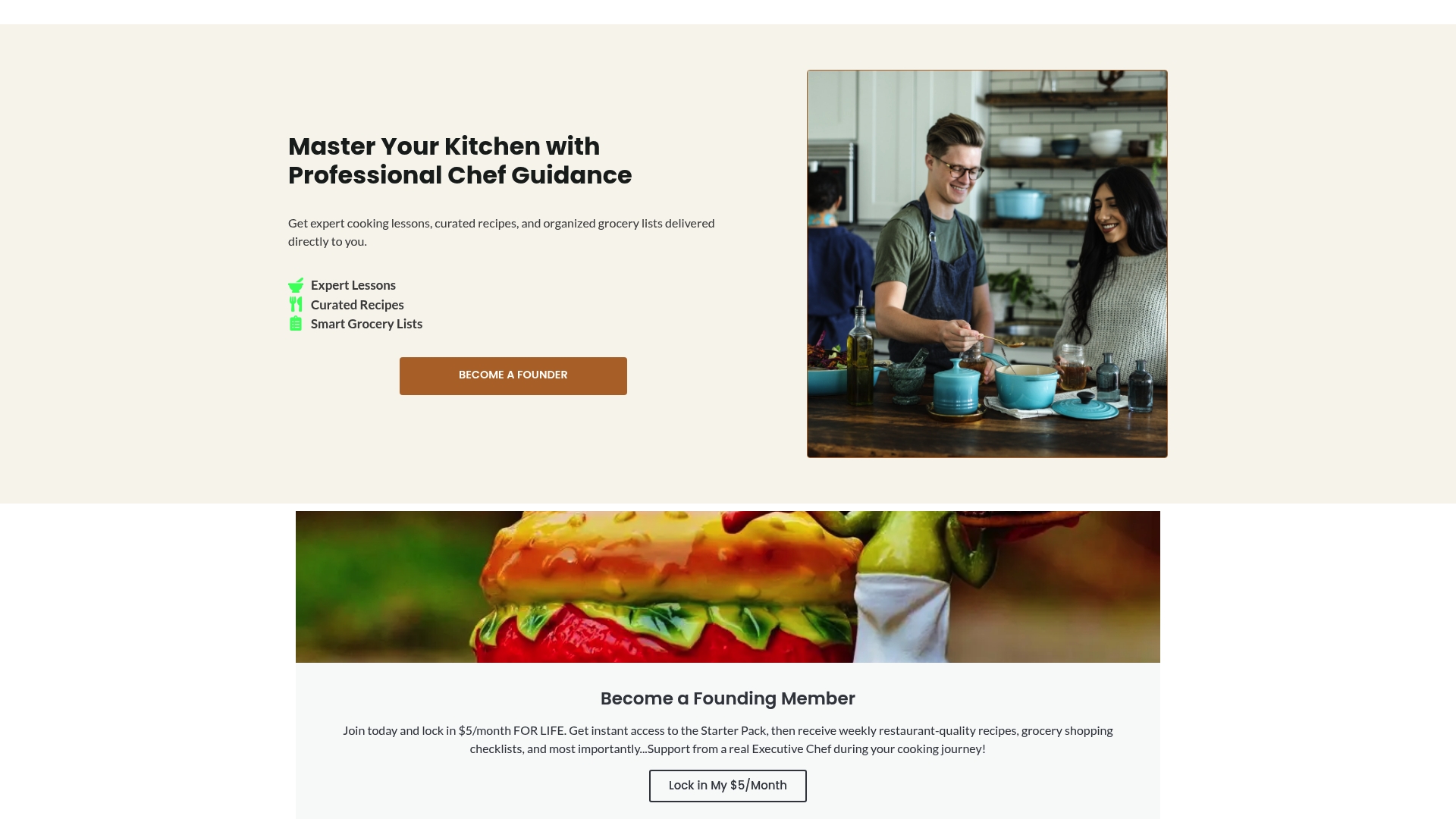
Learning a few templates is a great start, but building real confidence comes from repetition with a little guidance along the way. That's exactly what our Founder's Club Membership is built for.
- Our Starter Pack walks you through setting up a kitchen that supports templates like these from day one.
- Weekly recipe drops bring you five new recipes so you're always practicing with fresh combinations.
- Grocery checklists help you stock the versatile staples these templates depend on.
- Real chef support means you can ask questions when a swap doesn't go as planned.
We offer structured practice instead of guesswork, and a kitchen that starts feeling like yours. Join the Founder's Club and start cooking with what you have, with backup when you need it.
FAQ
Is there an app that tells you what to cook based on what you have in your fridge?
Yes, several recipe apps let you enter ingredients and return matching recipes filtered by time or diet. They work well for inspiration, though pairing them with a mental template like a one-pan sauté or skillet dish often gets you to dinner faster than scrolling through results.
What to cook based on what you have?
Pick a template that fits your ingredients: a one-pan sauté for protein, vegetable, and starch combos, a skillet dish for pasta or rice with a sauce, or a sheet-pan roast for hands-off cooking. Choosing the shape first, then filling it with what's on hand, is quicker than searching for an exact recipe.
What is the 2 2 2 rule for food?
There's no official "2 2 2 rule" recognized by food-safety agencies. The rule that does matter is the two-hour window from the Food Safety and Inspection Service: refrigerate or freeze cooked food within two hours of cooking, or within one hour if it's been sitting above 90°F.
How to feed a family of 4 on a limited budget each week?
Build meals around a few versatile templates, like sheet-pan roasts and skillet pasta, that stretch proteins and vegetables across multiple servings. Buying pantry staples in bulk and tracking what you already own helps you avoid duplicate purchases and reduces waste, which keeps weekly costs down without naming a specific dollar target.
Sources
- Leftovers and Food Safety | Food Safety and Inspection Service
- Food Facts - How to Cut Food Waste and Maintain Food Safety (FoodKeeper guide)
- Leftovers (University of Illinois Extension)