What basic cooking tools should every beginner start with?
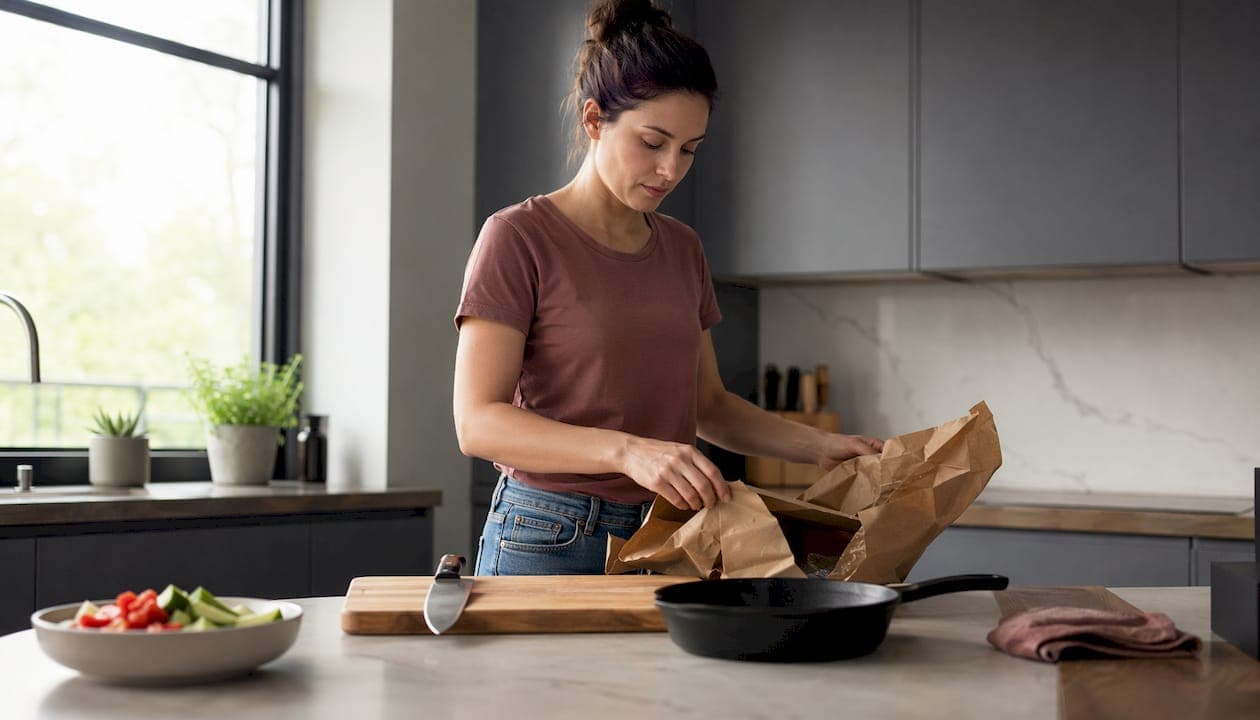
The three tools that cover the most ground in any beginner kitchen are an 8-inch chef's knife, a sturdy cutting board, and a reliable skillet. According to Serious Eats editors, these form the "holy trinity" of kitchen basics, handling the vast majority of everyday cooking tasks. Get these right, and you can make almost anything.
Here's your core list of basic kitchen tools and utensils to start with:
- 8-inch chef's knife: Your most-used tool. One well-balanced knife handles chopping, slicing, and dicing better than a full knife block you'll rarely touch. Bon Appétit editors advise investing in one quality knife rather than overspending on sets.
- Cutting board (wood or plastic): Wood is gentler on your knife's edge and lasts with regular oiling. Plastic works well too, especially as a dedicated board for raw meat. Keep two on hand.
- Stainless steel or cast iron skillet: A stainless steel skillet gives you excellent searing and browning. A cast iron skillet holds heat beautifully and goes from stovetop to oven without complaint. Either one anchors your cooking.
- Mixing bowls in various sizes: America's Test Kitchen recommends stackable, sturdy bowls in small, medium, and large sizes. They pull double duty as prep bowls and food storage.
- Measuring cups and spoons: One set for dry ingredients, one liquid measuring cup with a spout. Clear markings matter more than material.
- Vegetable peeler: Inexpensive and used constantly. The Kuhn Rikon Original Swiss Peeler is a widely recommended pick for its sharpness and ease of grip.
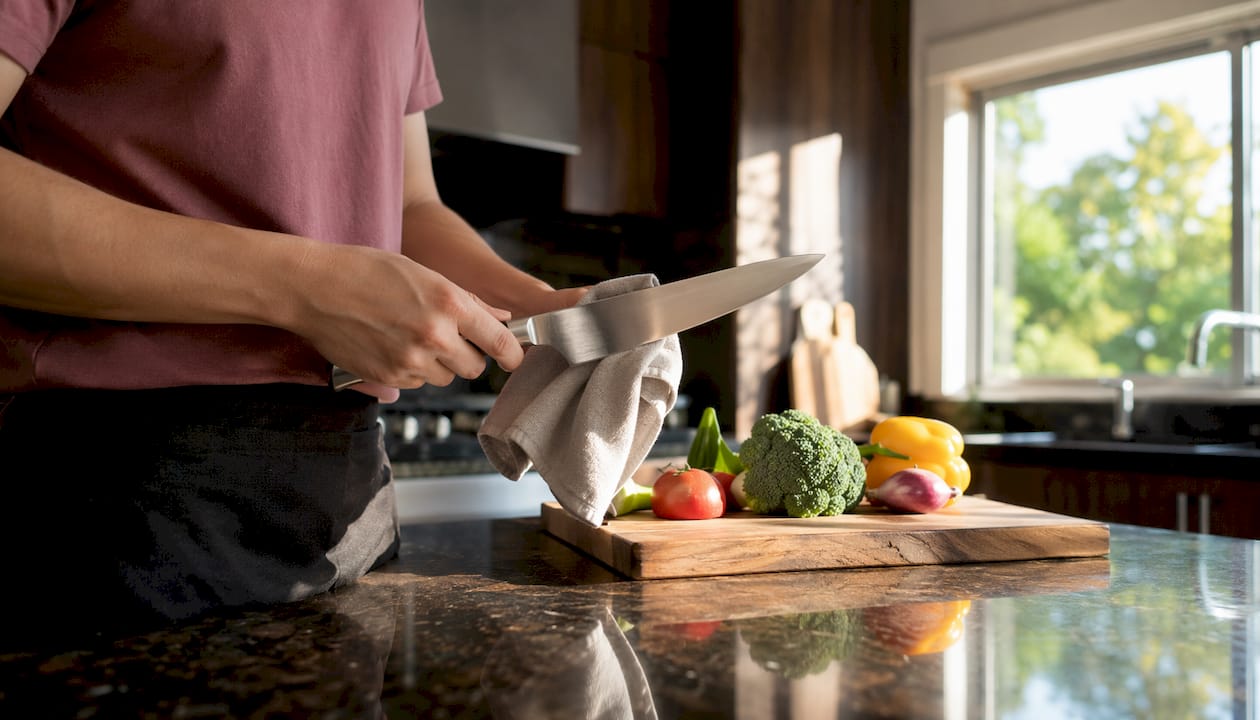
A quick note on maintenance: Always hand wash your knives. The dishwasher dulls the blade and damages the handle faster than almost anything else. And use separate cutting boards for raw proteins and produce. It's one of the simplest habits that prevents cross-contamination in a home kitchen.
Table of Contents
- How to choose tools that actually match how you cook
- Precision and food safety tools that build real confidence
- How expert guidance helps you get more from your tools
- Key Takeaways
How to choose tools that actually match how you cook
Before you buy anything beyond the basics, think about what you actually cook. This is the "capsule kitchen" idea: a small, intentional set of multi-use tools built around your real habits, not a wishlist.
Food writer Emily Ziemski puts it plainly. "There are some tried-and-true basics you'll want," she says, "a chef's knife, a good quality cutting board, a stainless-steel pot, a skillet of some kind." Beyond that, she encourages beginners to think about how they actually cook before adding more gear. Love making soups? A stockpot earns its place. Deep into baking bread? A Dutch oven is worth every dollar. But if you're mostly cooking weeknight dinners, you don't need either right away.
Budget is real here too. Spend more on your core items, especially the knife and skillet, and fill in the rest with affordable, functional pieces. A can opener, tongs, a wooden spoon, and a whisk don't need to be expensive. Bon Appétit suggests supplementing quality core tools with inexpensive accessories from restaurant supply stores or budget retailers. You can build a fully functional kitchen without spending a fortune.
Durability matters when you're choosing materials. Stainless steel bowls and utensils outlast plastic over time. A well-seasoned cast iron skillet can genuinely last decades. Pairing your tools with the right all-purpose spice blend also makes a real difference in getting good results from simple ingredients.
Pro Tip: Before you shop, write down the last five meals you made or wanted to make. The tools those recipes actually require are the ones worth buying first.
Precision and food safety tools that build real confidence
Once you have the core set, a few additional tools make a noticeable difference in how your food turns out and how safe it is to eat.
Instant-read thermometer. This is the single most underrated tool for beginners. Food writer Emily Ziemski calls it out specifically: "Undercooking proteins is a big woe for novice cooks." A thermometer removes the guesswork entirely. You stop cutting into chicken to check if it's done and start cooking with actual confidence. Food safety guidance consistently highlights thermometers as critical for safely cooking proteins at home.
Kitchen scale. Volume measurements like cups and tablespoons can vary depending on how you scoop. Weight doesn't lie. Serious Eats editors flag the kitchen scale as one of the most overlooked tools in beginner kitchens, especially for baking where precision directly affects results.
Here are the other auxiliary tools worth adding to your basic kitchen supply list:
- Fine-mesh strainer: Drains pasta, rinses produce, and strains sauces. More versatile than a standard colander.
- Can opener: Simple, necessary, and easy to forget until you need it.
- Wooden spoon and silicone spatula: Both handle heat well and protect your cookware's surface.
- Whisk: Eggs, sauces, salad dressings. You'll use it more than you expect.
- Tongs: Flipping proteins, tossing pasta, pulling things from hot pans. A locking pair stores flat and stays out of the way.
Learning how to use these tools together is part of the process. A beginner's guide to identifying kitchen utensils can help you put names to what you're working with and build that mental map faster.
How expert guidance helps you get more from your tools
Having the right tools is a great start. Knowing how to use them confidently is what actually changes your cooking. That's the gap Adultingwithfood was built to close.
The Adultingwithfood membership gives beginners a structured path from "I don't know where to start" to cooking real meals at home. Here's what members get:
- The Adulting With Food Starter Pack: Kitchen setup guidance, grocery store checklists, and a clear starting point for new cooks.
- Weekly recipe drops: Five new recipes every week, written for beginners and designed around tools you already have.
- Real chef support: Direct access to cooking help when you get stuck, so you're never left guessing.
- Ongoing skill-building: Content that grows with you, from basic knife skills to more involved techniques.
The combination of the right tools and real instruction is what builds lasting kitchen confidence. You can check out the Adultingwithfood beginner resources to get a clearer picture of what your kitchen actually needs before you buy anything.
Start your cooking journey with Adultingwithfood today and get the starter pack, weekly recipes, and chef support that make your tools actually work for you.

Key Takeaways
A chef's knife, cutting board, and skillet cover the majority of beginner cooking needs, and adding a thermometer and kitchen scale takes your results to the next level.
| Point | Details |
|---|---|
| Start with the core three | A chef's knife, cutting board, and skillet handle most everyday cooking tasks. |
| Match tools to your habits | Buy based on what you actually cook to avoid clutter and wasted money. |
| Add precision tools early | An instant-read thermometer and kitchen scale improve both safety and results. |
| Practice safe food handling | Use separate cutting boards for raw meat and produce; always hand wash knives. |
| Pair tools with real learning | The right equipment works best when combined with structured guidance and support. |