Practicing the Core Four food safety steps — Clean, Separate, Cook, and Chill — prevents most foodborne illness at home. Most of those cases are preventable. Here is what you do right now:
- Wash your hands for at least 20 seconds with soap and water before and during food prep
- Use a food thermometer every time you cook meat, poultry, or fish
- Refrigerate perishables within 2 hours (or 1 hour when it is above 90°F outside)
- Keep raw meat, poultry, and seafood separate from ready-to-eat foods at every stage
Pro Tip: Keep an instant-read thermometer in your utensil drawer and a fridge thermometer visible on the middle shelf. These two tools do more for your kitchen safety than any other single purchase.
Key Takeaways
Practicing the Core Four — Clean, Separate, Cook, and Chill — consistently is the most effective way to prevent foodborne illness at home.
| Point | Details |
|---|---|
| Core Four prevents most illness | Clean, Separate, Cook, and Chill address the main ways pathogens spread in a home kitchen. |
| Thermometer over color | A food thermometer is the only reliable way to confirm safe internal temperatures; poultry needs 165°F, ground beef 160°F. |
| Fridge and freezer targets | Keep your refrigerator at 40°F or below and your freezer at 0°F or below to stop bacterial growth. |
| Refrigerate within 2 hours | Perishables left out longer than 2 hours (1 hour above 90°F) enter the bacterial danger zone. |
| Replace sponges regularly | Kitchen sponges should be replaced at least every other week to avoid recontaminating clean surfaces. |
Table of Contents
- What do the Core Four food safety basics actually mean?
- How to shop and transport groceries safely
- What are the right fridge and freezer temperatures?
- What are the safe ways to thaw frozen food?
- How do you avoid cross-contamination during prep?
- What internal temperatures make food safe to eat?
- How long can food safely sit out while serving?
- How do you store and reheat leftovers safely?
- What should you do if you suspect foodborne illness?
- Simple habits and tools that make food safety routine
- The mistake I see beginner cooks make most often
- Ready to build real kitchen confidence?
- Sources
What do the Core Four food safety basics actually mean?
The Core Four is the framework the FDA and USDA both use to organize home food safety guidance. Each step targets a specific way pathogens like Salmonella and norovirus spread in a home kitchen.
Clean means washing hands, surfaces, and produce before and during cooking. The CDC recommends scrubbing for at least 20 seconds with soap and water, covering the backs of your hands, between your fingers, and under your nails. Wash before you start, after handling raw meat, after touching your phone, and after using the bathroom. Rinse fruits and vegetables under running water even if you plan to peel them.
Separate means never letting raw meat, poultry, seafood, or their juices touch ready-to-eat foods. Use a dedicated cutting board for raw animal proteins and a different one for produce and bread. Keep raw meat on the lowest shelf of your fridge so drips cannot reach food below.
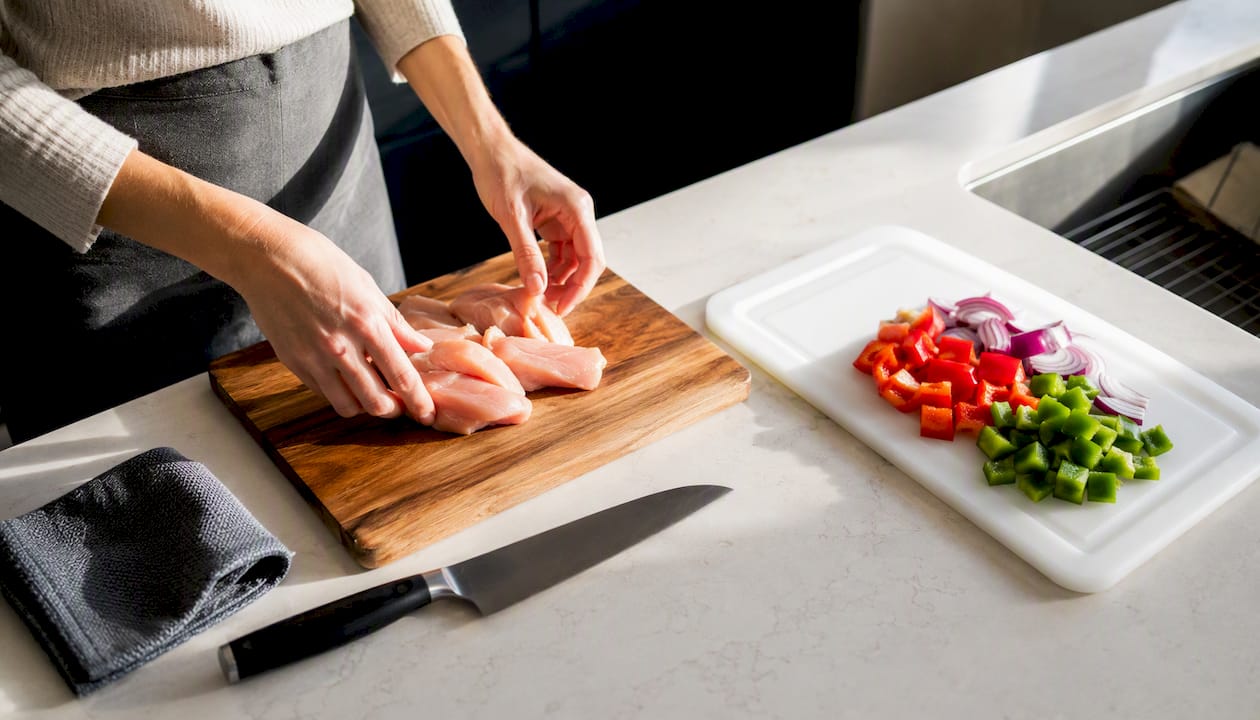
Cook means reaching the internal temperature that actually kills pathogens, not just the color you think looks right. A burger can turn brown before it hits 160°F. A chicken breast can look white and still be undercooked. A food thermometer is the only reliable test.
Chill means getting food into the refrigerator before bacteria multiply to dangerous levels. Bacteria double roughly every 20 minutes between 40°F and 140°F. Refrigerate leftovers within 2 hours, or within 1 hour when the room or outdoor temperature tops 90°F.
Statistic to know: About 1 in 6 Americans experience foodborne illness each year. Consistent process habits, not occasional careful moments, are what keep you out of that statistic.
Pro Tip: Adopt a "clean as you go" habit. Treat every surface or utensil that touched raw animal protein as contaminated and wash it immediately before moving on.
How to shop and transport groceries safely
Food safety starts at the store, not at your stove. A few smart habits during shopping prevent temperature abuse and contamination before food ever reaches your kitchen.
- Buy refrigerated and frozen items last. Grab your pantry staples first, then dairy, then meat and frozen foods right before checkout.
- Inspect packaging. Skip cans with dents along the seam, packages with tears, or vacuum-sealed bags that have lost their seal.
- Check dates. A "sell-by" date tells the store how long to display the item. A "use-by" date is the manufacturer's safety or quality cutoff. When in doubt, use the use-by date as your guide.
- Separate raw meat in your cart and bags. Place raw meat, poultry, and seafood in separate plastic bags so their juices cannot drip onto produce or packaged foods.
- Use an insulated bag or cooler on hot days. If your drive home is longer than 30 minutes in warm weather, a small cooler keeps perishables below 40°F.
- Refrigerate within 2 hours of purchase. If the temperature outside is above 90°F, that window drops to 1 hour.
- Clean reusable grocery bags regularly. Wash cloth bags in hot water weekly, especially if you carry raw meat in them. Bacteria from meat juices can survive in bag fabric and transfer to your next grocery run.
What are the right fridge and freezer temperatures?
Your refrigerator should stay at 40°F (4°C) or below, and your freezer at 0°F (-18°C) or below. Those numbers are not arbitrary. Bacterial growth slows dramatically below 40°F and stops almost entirely at 0°F. A fridge running at 45°F feels cold but gives Salmonella and Listeria room to multiply.
Store raw meat and poultry on the lowest shelf, away from ready-to-eat foods. Use shallow containers for leftovers so they cool faster. And check your fridge temperature with an appliance thermometer rather than trusting the dial setting, which can drift.
Cold storage times for common foods
Ranges sourced from USDA FSIS cold-storage guidance.
Pro Tip: Place an appliance thermometer on the middle shelf of your fridge and check it once a week. Fridge dials are notoriously inaccurate, and a $10 thermometer tells you the truth.
What are the safe ways to thaw frozen food?
Thawing on the counter is one of the most common food safety mistakes beginners make. When frozen food sits at room temperature, its outer layers warm into the 40°F–140°F danger zone while the center is still frozen. Bacteria on the surface multiply fast.
Three methods are safe:
- Refrigerator thawing. Place frozen food in the fridge the night before (or up to 2 days ahead for large cuts). It thaws slowly and stays below 40°F the entire time. Food thawed this way can be refrozen if you change your plans.
- Cold-water thawing. Seal the food in a leak-proof plastic bag and submerge it in cold water. Replace the water every 30 minutes to keep it cold. Cook immediately after thawing this way.
- Microwave thawing. Use your microwave's defrost setting and cook the food immediately afterward. Microwaves can begin cooking the edges, so you cannot safely hold microwave-thawed food.
A few things to avoid:
- Do not thaw food on the counter at room temperature
- Do not thaw in hot water
- Do not wash raw meat or poultry before cooking. The CDC confirms that washing spreads bacteria via water splash to nearby surfaces, utensils, and your hands. Cooking to the correct internal temperature kills pathogens without washing.
How do you avoid cross-contamination during prep?
Cross-contamination is how raw meat bacteria end up on your salad. It happens through hands, cutting boards, knives, and countertops, often without you noticing.
Handwashing during prep
Wash your hands for 20 seconds with soap and water at these moments: before you start, after handling raw meat or poultry, after cracking eggs, after touching your face or phone, and after handling garbage. Scrub the backs of your hands, between your fingers, and under your nails. Rinse thoroughly and dry with a clean towel.
Cutting board and utensil discipline
Keep at least two cutting boards: one dedicated to raw meat, poultry, and seafood, and one for everything else. Color-coded boards make this habit automatic. Wash boards with hot soapy water after each use. For deeper sanitation, use a solution of 1 tablespoon of unscented liquid chlorine bleach per gallon of water, as recommended by USDA FSIS. Let the solution sit on the surface for a few minutes, then rinse and air dry.
Cleaning versus sanitizing
These are two different steps, and order matters. Clean first with hot soapy water to remove food debris and grease. Then sanitize. Sanitizers are far less effective when organic matter is still present on the surface.
Sponge and towel hygiene
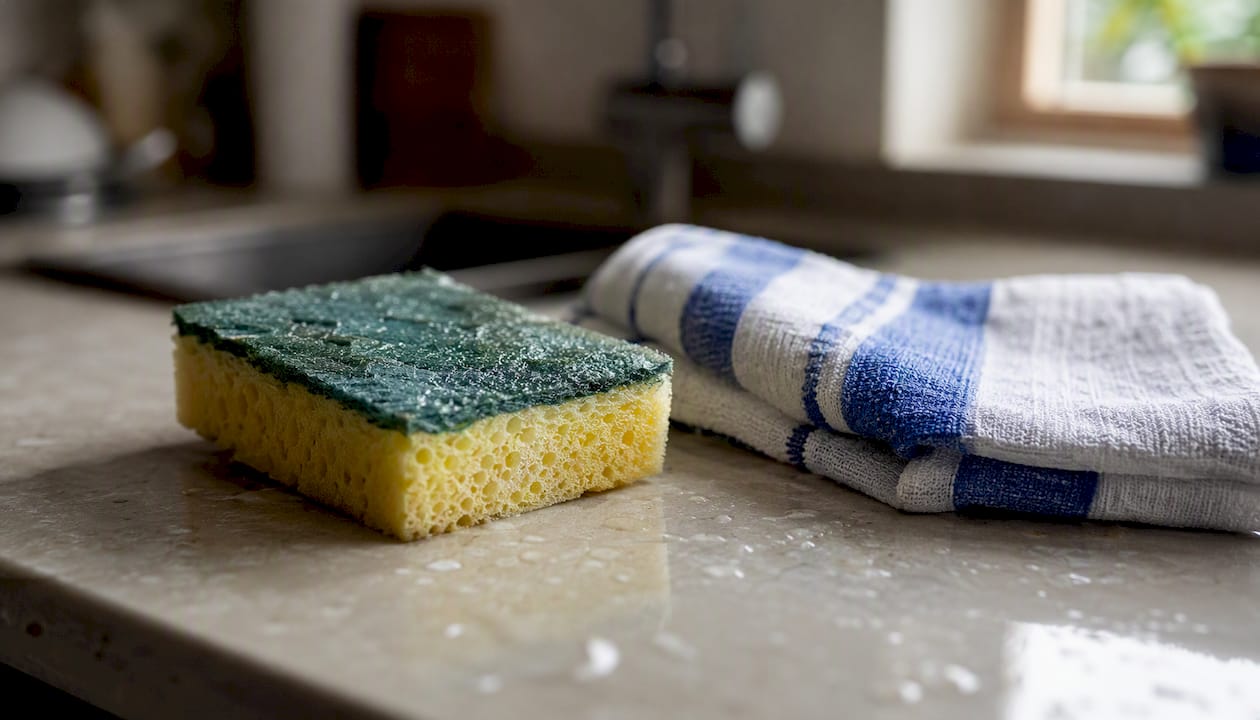
Kitchen sponges and dishcloths are among the most contaminated items in your home. Replace sponges at least every other week and launder dish towels on a hot cycle weekly. A sponge that smells fine can still harbor bacteria at levels that recontaminate your "clean" counter.
Pro Tip: Designate one cutting board and one set of tongs exclusively for raw animal proteins. Keep them visually distinct — a red board, for example — so you never accidentally grab the wrong one mid-prep.
What internal temperatures make food safe to eat?
Color is not a reliable doneness indicator. A burger can look fully brown at 145°F or even lower. The only way to know food is safe is to check the thickest part with a food thermometer, away from bone, fat, or gristle.
Minimum safe internal temperatures
| Food | Safe Internal Temp | Notes |
|---|---|---|
| Whole poultry (chicken, turkey) | 165°F | Check thigh, not breast |
| Ground poultry | 165°F | Patties and meatballs included |
| Ground beef, pork, lamb | 160°F | No rest time required |
| Beef, pork, lamb steaks/roasts/chops | 145°F | Let rest 3 minutes before cutting |
| Fish and shellfish | 145°F | Flesh should be opaque and flake easily |
| Leftovers and casseroles | 165°F | Stir and check multiple spots |
| Egg dishes | 160°F | Cook until yolk and white are firm |
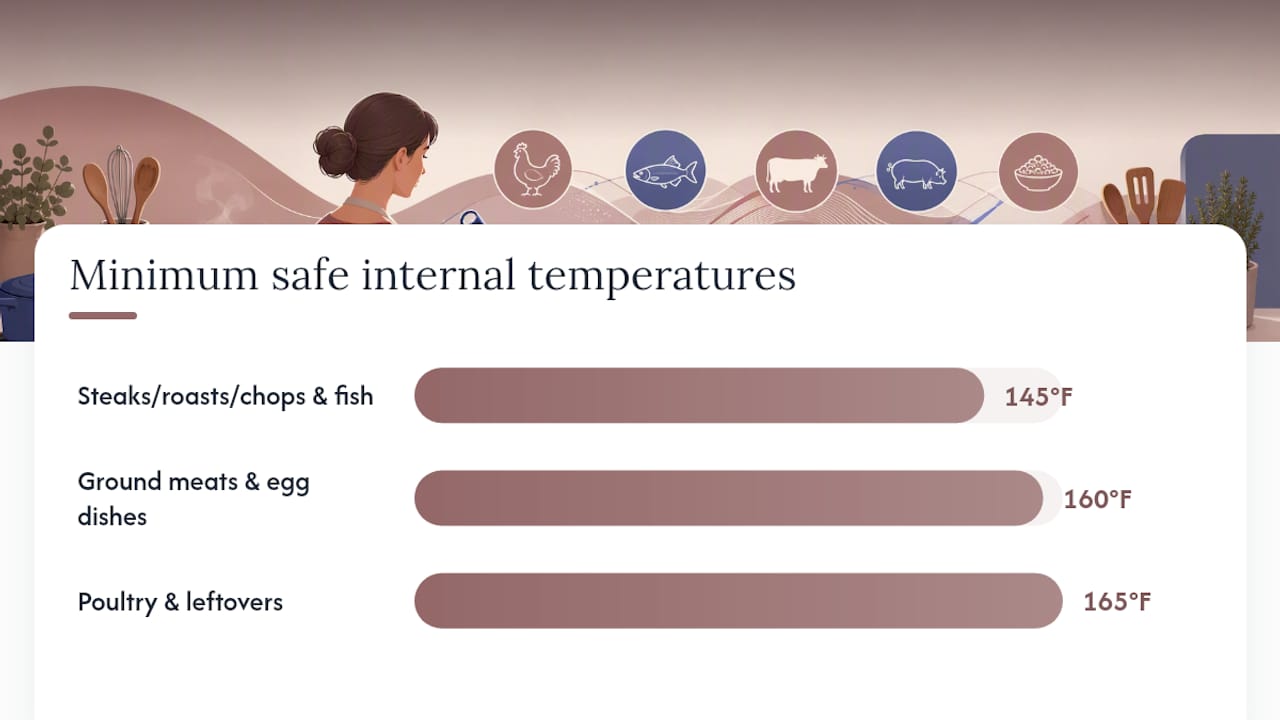
Source: USDA FSIS minimum internal temperature guidance.
How to use a food thermometer
- Insert the probe into the thickest part of the food.
- Avoid touching bone, fat, or the pan — all three give false readings.
- Wait for the reading to stabilize (usually 10–15 seconds for an instant-read).
- For thin items like burgers or chicken breasts, insert the thermometer from the side.
- After use, wash the probe with hot soapy water before storing.
Microwave cooking
Microwaves heat unevenly. Stir food halfway through cooking, let it stand for the time the package recommends, and then check the temperature in multiple spots before eating. Target 165°F throughout.
Pro Tip: An instant-read thermometer costs $10–$20 and removes all guesswork. Keep it in the same drawer as your spatulas so it is always within reach when you need it. Check out the basic cooking tools guide for a full beginner-friendly list.
How long can food safely sit out while serving?
The rule is straightforward: do not leave food at room temperature for more than 2 hours. If the temperature in the room or outdoors is above 90°F, that limit drops to 1 hour. Anything beyond that enters the bacterial growth zone and should be discarded.
Hot food needs to stay at 140°F or above during serving. Cold food needs to stay at 40°F or below. At a buffet or party, use warming trays or chafing dishes for hot items and ice nests or chilled serving platters for cold ones.
For gatherings, serve food in small batches rather than setting out one large tray for hours. Swap in fresh trays from the fridge or oven every 30–45 minutes. Write the time on a sticky note under the tray if you are hosting a long event. It sounds fussy, but it takes 10 seconds and prevents a lot of misery the next morning.
How do you store and reheat leftovers safely?
Getting leftovers into the fridge quickly is the single most important step. Divide large portions of soup, stew, or roasted meat into shallow containers so they cool faster. A deep pot of chili sitting on the counter for 3 hours is a problem even if you plan to refrigerate it afterward.
Steps for safe leftover handling
- Transfer leftovers to shallow, airtight containers within 2 hours of cooking (1 hour if the kitchen is hot).
- Label containers with the date.
- Refrigerate and use cooked leftovers within 3–4 days.
- Reheat leftovers to an internal temperature of 165°F before eating.
- Stir soups and casseroles midway through reheating and check the temperature in multiple spots.
Refreezing rules
Meat thawed in the refrigerator can be refrozen before or after cooking. Meat thawed by cold water or microwave should be cooked before refreezing. Never refreeze food that was thawed on the counter.
What not to do with leftovers
- Do not taste leftovers to decide if they are still safe. Spoilage bacteria and pathogens are different things. Food can smell and taste fine and still make you sick.
- Do not keep cooked leftovers beyond 4 days, even if they look fine.
- Do not reheat leftovers more than once.
What should you do if you suspect foodborne illness?
Most healthy adults recover from food poisoning within a few days, but some cases need medical attention. Seek care promptly if you experience bloody diarrhea, a fever above 102°F, vomiting so severe you cannot keep liquids down, or signs of dehydration (very little urination, dry mouth, dizziness).
Pregnant people, adults over 65, young children, and anyone with a weakened immune system face higher risk of serious complications and should contact a healthcare provider sooner.
If you suspect a contaminated product:
- Save the food and its packaging. Do not throw it away.
- Note what you ate, when you ate it, and when symptoms started.
- Contact your healthcare provider and describe the food.
- Report meat, poultry, or egg products to the USDA FSIS at 1-888-MPHotline (1-888-674-6854).
- Report other foods (produce, packaged goods) to the FDA at 1-800-SAFEFOOD (1-800-723-3366) or through the FDA's online MedWatch portal.
- Report to your local or state health department as well, especially if others who ate the same food are also sick.
Pro Tip: Save a note in your phone titled "If I Get Sick" with these three steps: (1) save the food and package, (2) note what and when you ate, (3) call your doctor and report to USDA or FDA. You will not remember these steps when you feel terrible.
Simple habits and tools that make food safety routine
WHO frames food safety as a shared responsibility, with individual home cooks as the final line of defense. That sounds heavy, but in practice it comes down to a handful of consistent habits and a short list of tools.
Daily habits:
- Wash hands before starting any meal prep, every time
- Wipe down counters with a clean cloth after raw meat prep
- Return perishables to the fridge within 2 hours
- Check that fridge leftovers are labeled with a date
Weekly habits:
- Replace your kitchen sponge or run it through the dishwasher on the hot cycle
- Launder dish towels on a hot wash cycle
- Check your fridge thermometer reading
Tools worth having:
- Instant-read thermometer (for cooking temperatures)
- Appliance thermometer (for fridge and freezer monitoring)
- Two color-coded cutting boards (one for raw proteins, one for everything else)
- Shallow, airtight storage containers for leftovers
- A set of clearly identified kitchen utensils dedicated to raw meat prep
AdultingintheKitchen membership builds these habits into every recipe drop. Each weekly recipe comes with prep notes that walk you through safe handling steps, and the Starter Pack includes guidance on setting up your kitchen with the right tools from day one.
Pro Tip: Tie handwashing to a trigger you already use. Every time you turn on the stove burner, wash your hands first. Habit stacking makes the behavior automatic within a few weeks.
The mistake I see beginner cooks make most often
Most food safety mistakes are not about ignorance. They are about confidence in the wrong things. The most common one I see: relying on color to decide if chicken is done.
A chicken breast can look perfectly white and opaque at 150°F. It can even have a slight pink tinge at 165°F near the bone, which is a normal chemical reaction, not a sign of undercooking. Color tells you almost nothing reliable. A thermometer tells you everything. That one shift, from trusting your eyes to trusting a $15 tool, eliminates one of the most common causes of home foodborne illness.
The same logic applies to the rest of the Core Four. You do not need to be perfect. You need to be consistent. Wash your hands before you start. Keep raw meat away from everything else. Hit your temperature targets. Get food into the fridge on time. Do those four things every time, and you have handled the vast majority of the risk.
Nobody gets this right on the first try every single time. The goal is building habits that run on autopilot, so safe food handling at home stops feeling like a checklist and starts feeling like just how you cook.
Ready to build real kitchen confidence?
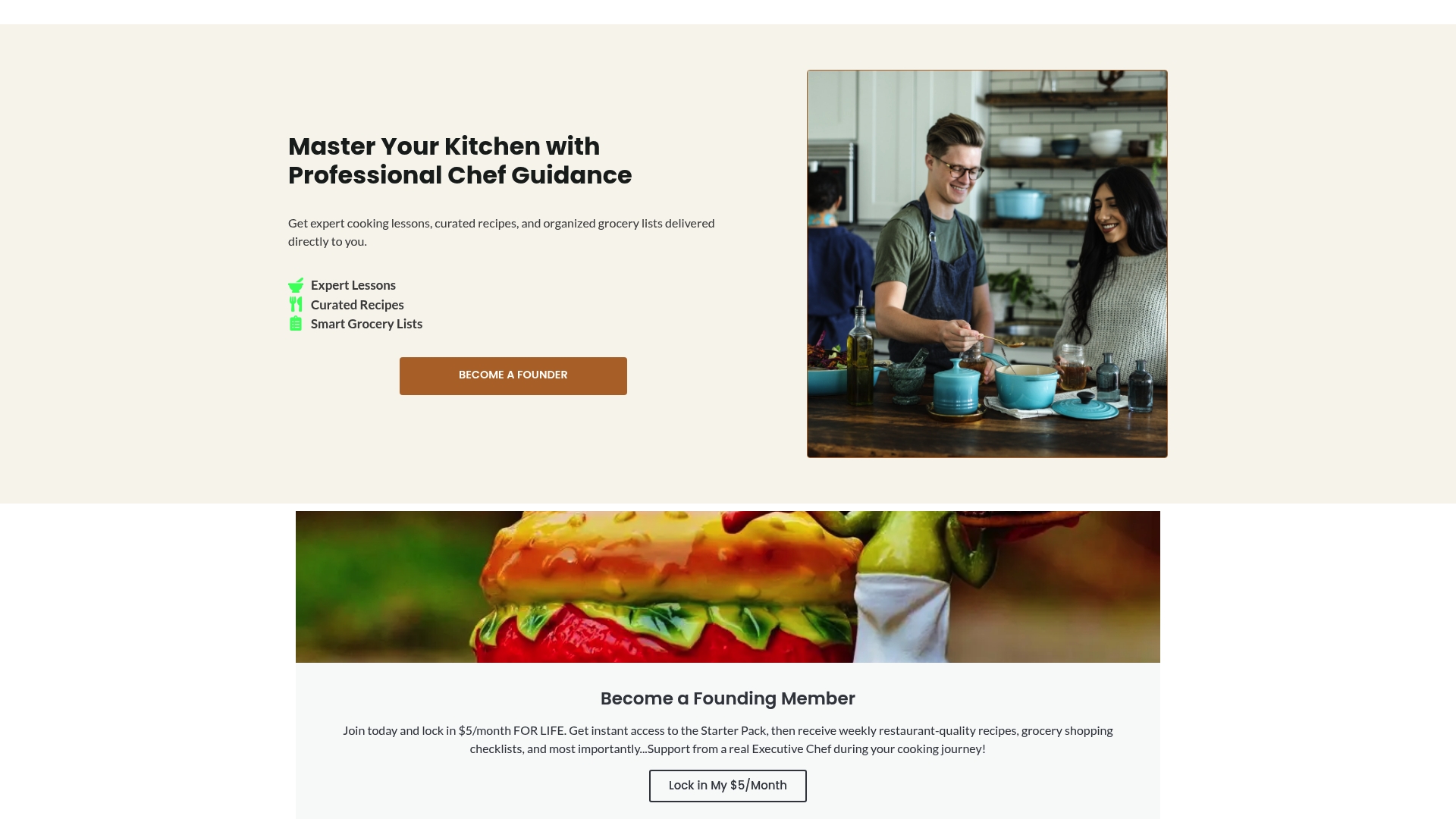
Food safety is the foundation, but cooking well takes practice, the right recipes, and real support. AdultingintheKitchen is a digital cooking membership built for beginners who are ready to stop guessing and start cooking with confidence.
Members get the Adulting in the Kitchen Starter Pack, weekly recipe drops with 5 new recipes, grocery store checklists, and direct access to real chef support. Every recipe includes safe handling guidance built right in, so you practice good habits from the very first meal.
Start your membership today and get the tools, recipes, and support you need to cook real food at home.
Sources
The advice in this article draws from federal public health agencies and clinical sources that monitor foodborne illness data, set food safety standards, and publish consumer guidance for the United States.
- Foodsafety
- Preventing Food Poisoning | Food Safety | CDC
- Keep Food Safe! Food Safety Basics | FSIS
- Safe Food Handling - FDA
- Cross-Contamination: What It Is and How To Avoid It
- Five keys to safer food — WHO
These sources are trustworthy because they are backed by federal surveillance data, peer-reviewed public health research, and clinical expertise, not marketing or opinion.
This article is general information, not a substitute for advice from a qualified doctor. Consult a qualified healthcare professional about your own circumstances before acting on anything here.