The most reliable lunch meal prep approach comes down to one formula: protein + starch + vegetable + sauce, prepped in batches and stored in airtight containers. Master that combination and you never touch a fast-food app again on a Tuesday. You also do not need six different recipes to eat well all week. You need one system, a few staples, and about an hour of your Sunday.
Here are six lunches you can start building this week, no grocery list overhaul required:
- Mediterranean grain bowl: farro, roasted chickpeas, cucumber, feta, lemon-tahini sauce
- Burrito bowl: rice, black beans, seasoned ground turkey or chicken, salsa
- Chickpea salad jar: chickpeas, celery, red onion, mustard-yogurt dressing (dressing on the bottom)
- Mason jar salad: dressing first, then hardy veggies, protein, greens on top
- Soup or stew portion: lentil, chicken and rice, or minestrone in a wide-mouth container
- Sandwich kit: turkey, cheese, and veggies packed separately from the bread so nothing goes soggy
Quick fact: Meal-prepped lunches stay safe in the refrigerator for 3 to 4 days when stored in airtight containers. Beyond that window, freeze what you can.
Key Takeaways
Lunch meal prep succeeds when you build around a protein + starch + vegetable + sauce formula and store the results in airtight containers for no more than 3 to 4 days.
| Point | Details |
|---|---|
| Use the formula, not a recipe | Combine protein, starch, vegetable, and sauce so any ingredients on hand become a real lunch. |
| Hit your protein target | Aim for roughly 25 to 35 grams of protein per lunch to stay full through the afternoon. |
| Respect the storage window | Eat refrigerated lunches within 3 to 4 days and freeze soups, stews, or grain dishes for longer storage. |
| Keep fragile ingredients separate | Store dressing, avocado, and fresh herbs apart from the main dish and add them right before eating. |
| Batch a few staples, not many recipes | Cook one protein, one grain, and one roasted vegetable, then rotate sauces for variety across the week. |
Table of Contents
- Lunch Meal Prep 101: The Formula and the Workflow
- Categorized Lunch Ideas for Every Kind of Week
- What to Buy Before Your First Prep Session
- How Long Lunch Meal Prep Actually Lasts
- Two Ready-to-Copy Weekly Lunch Plans
- Morning Assembly: Pack and Go in Under Two Minutes
- Why AdultingintheKitchen Backs This Approach
- The Formula Beats the Recipe Every Time
- Sources
Lunch Meal Prep 101: The Formula and the Workflow
Forget hunting for "healthy lunch recipe" ideas every single week. A formula-based approach beats recipe-by-recipe prep for one simple reason: it lowers the mental cost of getting started. When you already know the shape of a good lunch, you just fill in the blanks with whatever is in your fridge.
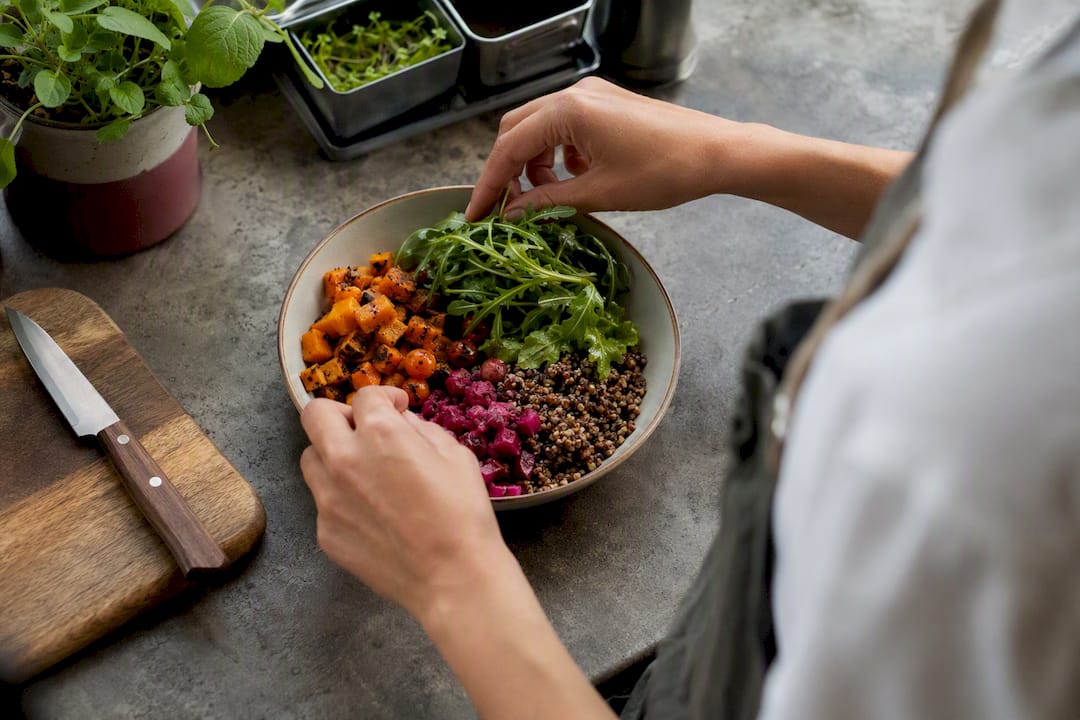
Aim for roughly a palm-sized portion of protein (about 25 to 35 grams), a cupped-hand of starch, a fist-sized portion of vegetables, and two tablespoons of sauce or dressing. That protein range matters more than people realize. Meals built around 25 to 35 grams of protein per serving keep you fuller through a 3 p.m. slump far better than a carb-heavy sandwich that leaves you scrounging the office vending machine by 2:30.
Here's the workflow that turns a Sunday afternoon into five ready-made lunches:
- Plan first, shop second. Pick one protein, one grain, and one roasted vegetable for the week. Decide on two sauces so you're not eating the exact same flavor five days straight.
- Batch-cook the protein. Bake chicken thighs, brown ground turkey, or roast a tray of tofu. Do this while your oven is already on for something else.
- Cook the grain in bulk. A rice cooker or Instant Pot makes this hands-off. Farro, brown rice, and quinoa all hold up well across multiple days.
- Roast the vegetables. One sheet pan, high heat, 20 to 25 minutes. Broccoli, bell peppers, and sweet potatoes all roast beautifully together.
- Portion into containers. Divide everything into five equal parts, keeping sauces in small separate cups.
- Label and store. A piece of tape with the day and contents saves you from guessing on Thursday morning.
The real trick to avoiding lunch boredom isn't more recipes. It's rotating a small set of staples through different sauces and textures. The same roasted chicken becomes a completely different meal with peanut sauce on Monday and chimichurri on Wednesday.
Pro Tip: Cook double the grain you think you need. Extra farro or rice becomes tomorrow's fried rice or a quick soup base, which means less waste and one less thing to cook midweek.
Categorized Lunch Ideas for Every Kind of Week
You don't need to reinvent lunch daily. You need a rotating bank of ideas sorted by format, so on a rough Tuesday you can grab whatever fits your mood, your commute, or whether you have microwave access.
Bowls
Bowls are the most forgiving format in meal prep because everything gets layered and reheated together.
- Teriyaki chicken and rice bowl: reheats in 90 seconds; swap teriyaki for sriracha-mayo for variety
- Burrito bowl with black beans and corn: a beginner favorite that comes together in about 30 minutes; swap ground turkey for canned pinto beans for a vegetarian version
- Greek chicken and farro bowl: cold or room temperature; swap farro for orzo if you want a lighter grain
- Korean beef bulgogi bowl: reheats well; swap beef for sliced mushrooms for a vegetarian take
- Curry chickpea and rice bowl: fully vegan; swap curry powder for garam masala for a different flavor profile
- Southwest sweet potato and black bean bowl: great cold or warm; swap black beans for pinto beans
- Salmon and quinoa bowl: best reheated gently, covered, to avoid drying out; swap salmon for canned tuna in a pinch
- Buddha bowl with roasted veggies and tahini: fully vegan and holds well cold; swap tahini for peanut sauce
Salads and jars
Salads improve with a little rest time as long as you keep the wet ingredients away from the greens until the last minute.
- Mason jar salad, dressing on the bottom: layer hardy vegetables next, then protein, then greens on top so nothing wilts
- Chickpea Caesar salad: swap romaine for kale, which holds up longer without going limp
- Quinoa tabbouleh with grilled chicken: actually tastes better on day two once the flavors meld
- Asian slaw with edamame: crunchy cabbage base survives four days easily; swap edamame for shredded chicken
- Cobb salad jars: keep the avocado and dressing in separate small containers, added at serving time
- Southwestern black bean and corn salad: fully vegan, holds for the full storage window; swap lime dressing for chipotle ranch
Delicate ingredients like avocado, fresh herbs, and dressed leafy greens break down within a day or two, so keep them in small side containers and add them right before you eat.
Wraps and sandwiches
Sandwiches get a bad reputation in meal prep circles because soggy bread is a real problem. The fix is simple: assemble components separately.
- Turkey and hummus wrap kit: store the wrap, filling, and greens in separate compartments; assemble in 60 seconds
- Chicken salad lettuce wraps: naturally low-carb; swap Greek yogurt for mayo to boost protein further
- Caprese sandwich kit: keep tomato slices separate until assembly to stop the bread from getting soggy
- Buffalo chickpea wrap: fully vegetarian; swap chickpeas for shredded rotisserie chicken if you want more protein
- Egg salad on whole grain bread: pack the egg salad separately and build the sandwich at your desk
- Falafel pita pocket: reheats the falafel in the microwave for 30 seconds, then assembles cold
If you want a bigger bank of grab-and-go ideas built specifically for people who are sick of sad desk salads, this roundup of work lunch ideas is worth bookmarking.
Soups and stews
This is the category that rewards prepping ahead of the standard window because soups and stews freeze exceptionally well, often better than any other lunch format.
- Lentil and vegetable soup: freezes beautifully for up to three months; reheats in a thermos for on-site warmth
- Chicken and rice soup: a great way to use up leftover rotisserie chicken and extra rice
- Minestrone with white beans: fully vegetarian and freezer-friendly
- Turkey chili: tastes better after a day or two as the spices settle
- Black bean soup: pairs well with a side of rice for a heartier lunch
- Leftover rice soup: turns extra grains into a whole new meal; these three quick versions take about 30 minutes
Grab-and-go snacks and light lunches
Not every day needs a full bowl. Some days call for something lighter that still holds you over.
- Hard-boiled eggs with hummus and veggies: zero cooking required day-of
- Overnight oats with protein powder: technically breakfast, but works as a light lunch on busy days
- Cottage cheese with fruit and nuts: high protein, zero prep beyond portioning
- Tuna salad with whole grain crackers: pack the tuna separate from the crackers to keep them crisp
- Edamame and roasted seaweed snack pack: a solid protein boost between meetings
What to Buy Before Your First Prep Session
A successful first week of lunch meal prep depends less on skill and more on having the right things on hand before you start cooking.
Pantry and fridge staples worth keeping stocked:
- Canned beans (black, chickpea, pinto) for instant protein and fiber
- Frozen vegetables (broccoli, mixed stir-fry blends) for weeks when fresh produce feels like too much
- Microwaveable grain pouches (rice, quinoa) for the days you skip the batch-cook step
- Rotisserie chicken, which shaves 30 minutes off any prep session
- A neutral oil, soy sauce, and one hot sauce to build quick pan sauces
Canned beans in particular deserve a permanent spot in your cart. These fast, flavorful bean recipes show just how far a few cans can stretch across a week of lunches.
Container features that actually matter:
- Airtight seals over anything with a loose-fitting lid, since a leaky container ruins a bag and a Tuesday
- Divided compartments for bowls where you want to keep sauce away from greens until lunchtime
- Glass over BPA-free plastic if you're microwaving daily, since glass won't warp or hold onto stains
- Small sauce cups (1 to 2 ounces) for dressings, so nothing gets soggy before noon
- A wide-mouth thermos for soups and stews that need to stay hot until lunchtime
Pro Tip: Buy one extra set of containers beyond what you think you need. Having a spare set means you're never stuck skipping a prep day because last week's containers are still in the dishwasher.
How Long Lunch Meal Prep Actually Lasts
Most home cooks either overestimate how long prepped food stays good, or they toss perfectly fine leftovers out of caution. The real number is straightforward: meal-prepped lunches stored in airtight containers stay safe in the refrigerator for 3 to 4 days. Past that window, the freezer is your friend, not your enemy.
Soups, stews, and grain-based dishes freeze particularly well and often taste just as good reheated weeks later. Dishes with dairy-based sauces or delicate proteins like fish can lose texture in the freezer, so plan to eat those fresh within the 3 to 4 day window instead.
What holds up well across a full week:
- Cooked grains, especially sturdier options like farro, barley, and brown rice
- Roasted root vegetables (sweet potato, carrots, beets)
- Tofu and most cooked proteins (chicken, beef, turkey)
- Bean-based salads and dips like hummus or chickpea salad
What degrades fast and needs special handling:
- Dressed leafy greens, which wilt within a day or two
- Avocado, which browns almost immediately once cut
- Fresh herbs, which lose flavor and texture quickly
- Fried or crispy toppings, which go soft in a sealed container
Cool cooked food to room temperature before sealing it, since trapping steam in a closed container speeds up bacterial growth. Label every container with the date it was made, not just the contents, and do a quick smell-and-look check before eating anything on day 4. If it smells off or looks slimy, skip it.
Two Ready-to-Copy Weekly Lunch Plans
Planning is the step most people skip, and it's the one that determines whether your lunches actually get eaten or end up forgotten in the back of the fridge. Here are two full plans, one omnivore and one vegetarian, built around a single Sunday prep session.
Omnivore plan (5 days)
Sunday prep: Roast two pounds of chicken thighs, cook a big batch of rice, roast a tray of broccoli and bell peppers, make two sauces (peanut and chimichurri).
- Monday: Chicken, rice, broccoli with peanut sauce
- Tuesday: Chicken and rice soup (use extra rice and shredded chicken)
- Wednesday: Burrito bowl with chicken, rice, black beans, salsa
- Thursday: Chicken and vegetable stir-fry over rice with chimichurri
- Friday: Chicken salad lettuce wraps using the last of the chicken
Eat the soup and stir-fry earlier in the week since they hold up best; save the lettuce wraps for Friday since the lettuce is the most perishable component.
Vegetarian plan (5 days)
Sunday prep: Roast two pounds of chickpeas and tofu, cook farro, roast sweet potatoes and zucchini, make tahini and spicy peanut sauces.
- Monday: Chickpea and farro bowl with roasted sweet potato and tahini
- Tuesday: Minestrone with white beans (freezer-friendly, can prep ahead)
- Wednesday: Tofu and farro bowl with zucchini and spicy peanut sauce
- Thursday: Buddha bowl with chickpeas, sweet potato, and tahini
- Friday: Leftover farro turned into a quick fried rice with whatever vegetables remain
Both plans work with or without microwave access. Skipping the microwave? Lean on the mason jar salads and cold bowls on days you know you won't have reheating options. If you're prepping for one person instead of a household, this waste-free weekly system walks through scaling portions down without over-shopping.
Morning Assembly: Pack and Go in Under Two Minutes
The whole point of prepping ahead is a fast morning, so your assembly routine should never take longer than pouring a cup of coffee.
- Grab your pre-portioned container straight from the fridge. Everything should already be divided, so there's no measuring or assembling required.
- Add fragile toppings last. If you kept avocado, fresh herbs, or crispy elements separate, tuck them into a small side container instead of mixing them in the night before.
- Pack the sauce cup on the side. Dressing goes on right before eating, not the night before.
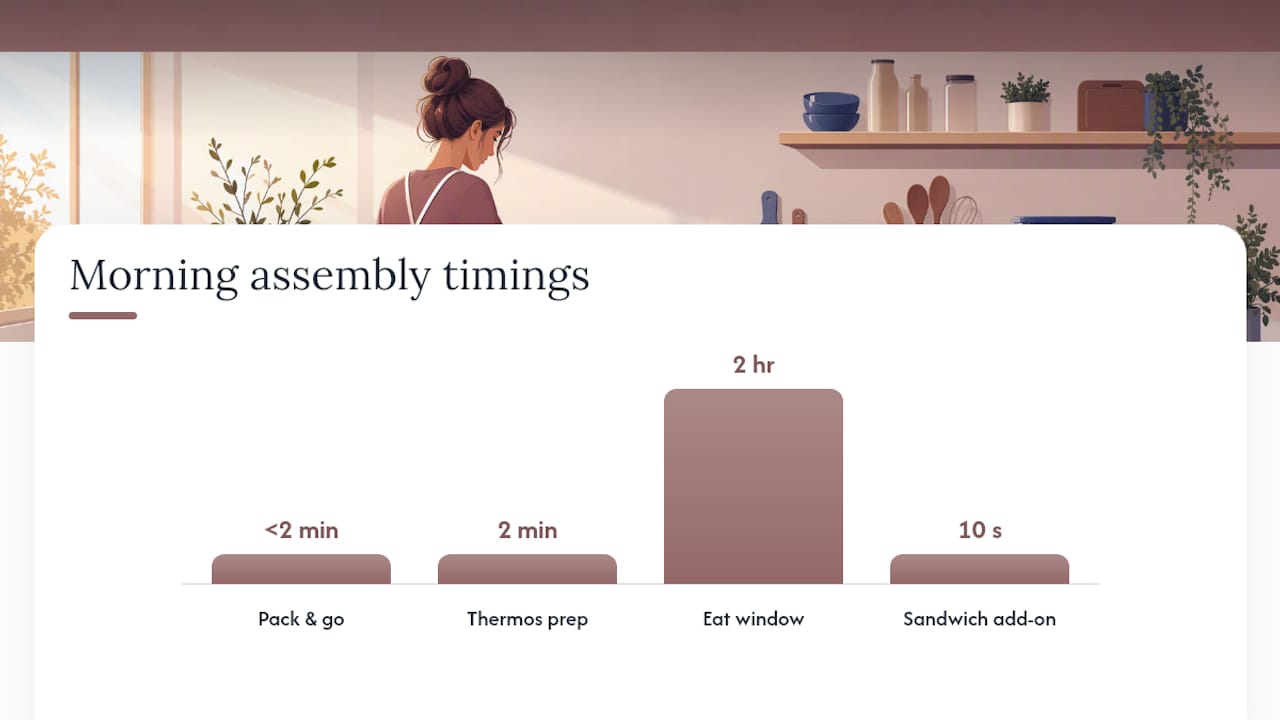
- For soups, use an insulated thermos. Fill it with boiling water for two minutes first, dump it out, then add your hot soup. It keeps food steaming through a midday meeting.
- Toss in an ice pack if you're not eating within two hours or don't have fridge access at work.
Reheating a bowl in the office microwave? Cover it loosely rather than sealing it tight. A vented cover traps enough steam to reheat evenly without turning your grains gummy or your chicken rubbery.
Pro Tip: If your sandwich always turns soggy by lunchtime, pack the wet ingredients (tomato, pickles, sauce) in a tiny separate container and add them right before you eat. It adds ten seconds and saves the whole sandwich.
Why AdultingintheKitchen Backs This Approach
Meal prep only works if you can actually execute it, and that's exactly where most beginners get stuck: staring at a recipe with twelve ingredients and giving up before they start. AdultingintheKitchen built its entire membership around removing that friction.
Here's how the pieces fit together for someone starting from zero:
- The Starter Pack walks you through exactly which tools and pantry basics you need before your first prep session, so you're not guessing at the grocery store.
- Weekly recipe drops with five new recipes give you a rotating bank of protein-forward ideas, so you never run out of fresh lunch combinations to try.
- Grocery checklists turn the shopping step in this guide into a printable, no-thinking-required list.
- Real chef support means when your burrito bowl comes out bland or your grains turn mushy, you have someone to ask instead of guessing.
The formula in this guide gets you started. A membership built around beginner support is what keeps you cooking past week two.
Ready to stop guessing your way through the grocery store? Explore the Adulting in the Kitchen membership and get the Starter Pack, weekly recipe drops, and chef support that turn this lunch formula into a lasting habit. You can also browse free recipes anytime at Adulting With Food before deciding if membership is right for you.
The Formula Beats the Recipe Every Time
Most lunch content out there treats meal prep like a recipe collection problem, as if the fix for boredom is just more recipes. That misses what actually derails people: decision fatigue on a Tuesday morning, not a shortage of ideas online.
The formula approach flips that. Once protein, starch, vegetable, and sauce become a mental template instead of a shopping list, you stop needing a new recipe every week. You need four components and permission to mix and match them.
Where I'd push back on conventional advice is the obsession with variety for its own sake. Five wildly different lunches sound appealing until you're the one cooking five separate recipes on a Sunday afternoon. Rotating two or three sauces across the same batch-cooked staples gets you more real variety with a fraction of the effort. Prioritize the protein target first, the storage rules second, and the sauce rotation third. Everything else is optional polish.
— Bill
Sources
- Meal prep food safety — Dinner Tonight (Texas A&M AgriLife Extension)
- Meal-prep formulas that don't require a recipe — Greatist