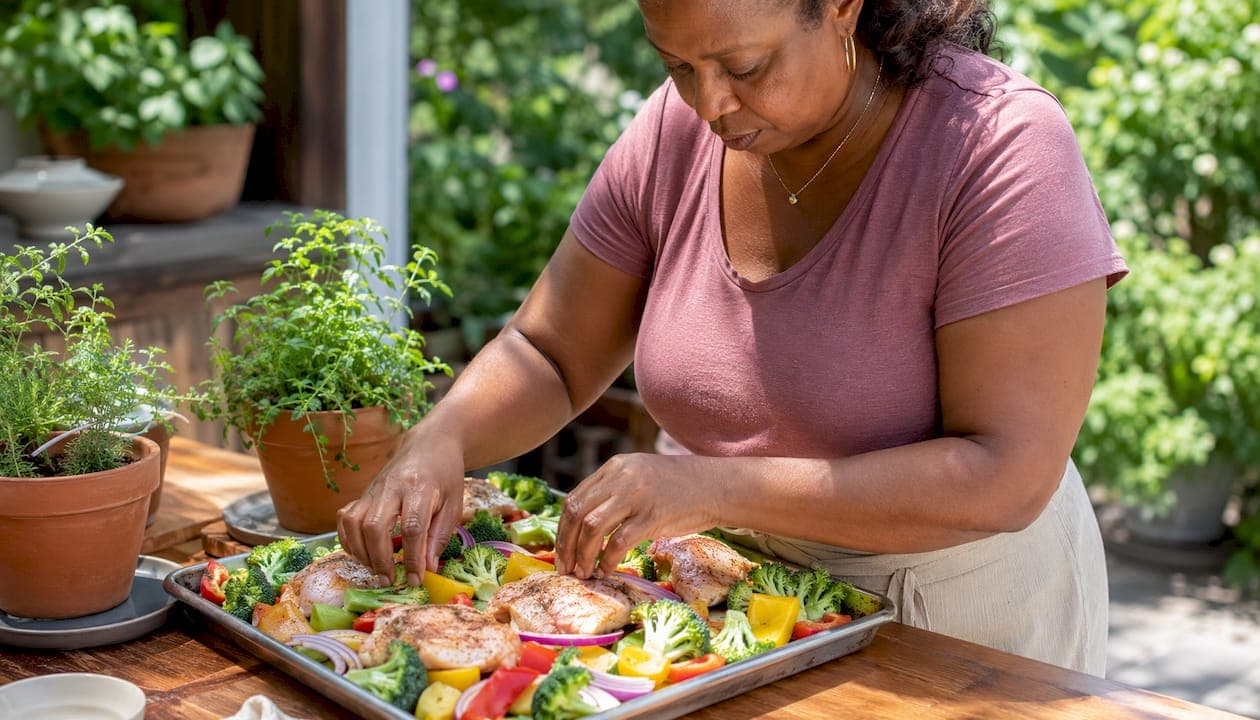
Sheet pan dinners are the fastest way to get a full, home-cooked meal on the table with almost no cleanup. The nine go-to recipes below cover every situation: chicken and potatoes (family weeknight), salmon and asparagus (pescatarian, 30–40 min), sausage and peppers (crowd-pleaser, 30 min), shrimp fajitas or scampi (10–15 min quick-cook), roasted vegetables and chickpeas (vegetarian, meal-prep friendly), meatballs and tomato salad (comfort dinner), sheet-pan gnocchi with veg (20–30 min), sheet-pan nachos (fun weeknight), and breakfast-for-dinner (eggs, sausage, and hash browns on one pan). Most cook at 400–425°F on a rimmed half-sheet pan and land on the table in 15–45 minutes. Adultingwithfood put this guide together so you can pick one recipe right now and start cooking with confidence.
Table of Contents
- The best sheet pan dinners to make this week
- What a sheet pan actually is (and how it differs from a cookie sheet)
- What you actually need: the right pan and a simple kit
- How to time everything so it finishes together
- Simple swaps for vegetarian, pescatarian, gluten-free, and low-carb diets
- Make-ahead, batch-cooking, and reheating tips
- Cleanup hacks that actually make "minimal cleanup" real
- Key Takeaways
- Why sheet-pan dinners are especially good for beginners
- Ready to cook with a little more support?
- Useful sources and further reading
The best sheet pan dinners to make this week
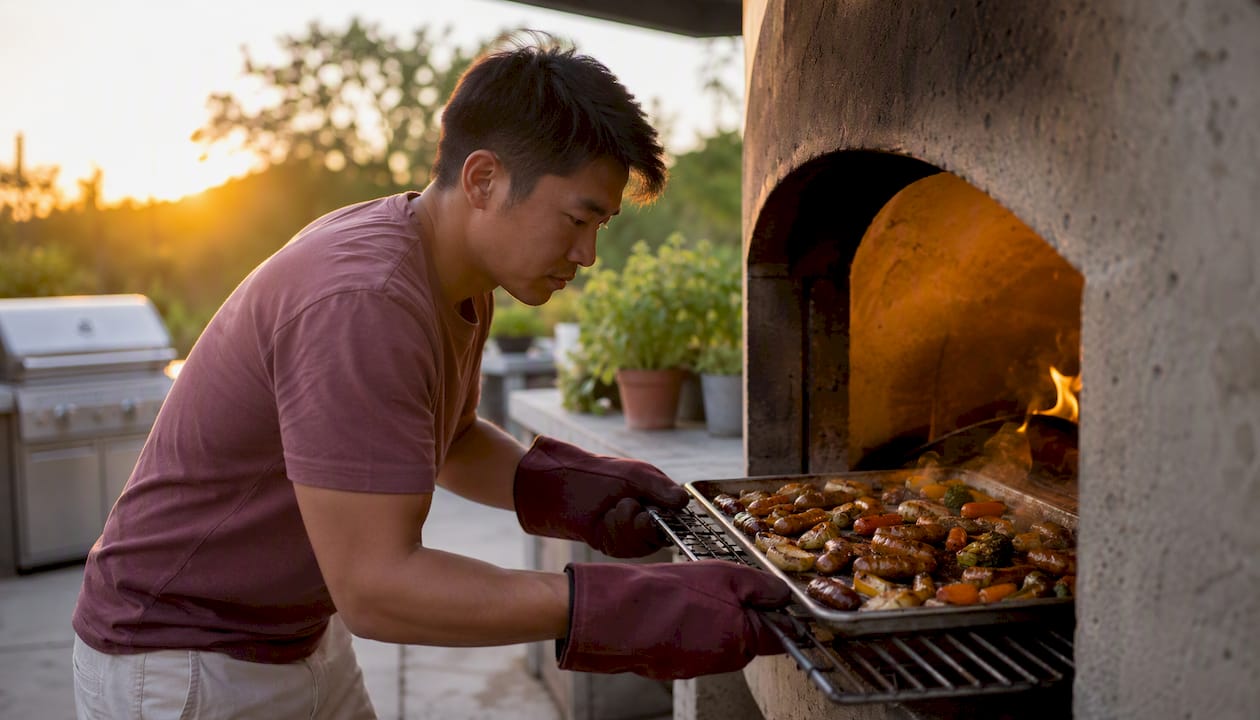
Here is a compact roster of recipes you can scan, pick, and cook tonight. Each entry includes a cook time, servings, difficulty, and one easy swap.
Quick-reference table
| Recipe | Cook Time | Servings | Difficulty | Easy Swap |
|---|---|---|---|---|
| Chicken and potatoes | 40–50 min | 4 | Easy | Swap chicken thighs for drumsticks |
| Salmon and asparagus | 25–40 min | 2–4 | Easy | Use cod or tilapia instead of salmon |
| Sausage and peppers | 25–30 min | 4 | Very easy | Use plant-based sausage for vegetarian |
| Shrimp fajitas/scampi | 10–15 min | 2–4 | Very easy | Swap shrimp for scallops |
| Roasted veg and chickpeas | 30–35 min | 4 | Easy | Add halloumi for extra protein |
| Meatballs and tomato salad | 25–30 min | 4 | Easy | Use turkey or plant-based meatballs |
| Gnocchi and veg | 20–25 min | 2–4 | Very easy | Swap gnocchi for cubed bread |
| Sheet-pan nachos | 10–15 min | 4 | Very easy | Use black beans only for vegetarian |
| Breakfast-for-dinner | 20–25 min | 2–4 | Easy | Add spinach or swap sausage for bacon |
Recipe roundups across reliable food sites consistently cover poultry, fish, sausage, vegetarian, and breakfast-for-dinner options, which proves how flexible the method really is.
Pro Tip: Finish shrimp off the heat with a squeeze of lemon and a pat of butter. The residual warmth melts the butter without overcooking the shrimp.
What a sheet pan actually is (and how it differs from a cookie sheet)
A sheet pan is not the same as a flat cookie sheet. The key difference is the rim.
A true sheet pan has a 1-inch rim and is made from heavy-gauge metal, typically in a half-sheet size of about 13x18 inches. That rim is what keeps juices, oils, and drippings on the pan instead of dripping onto your oven floor and smoking.
| Feature | Rimmed sheet pan | Cookie sheet / flat baking pan |
|---|---|---|
| Rim height | 1 inch | None or very low |
| Heat retention | High (heavy gauge) | Lower (often thin) |
| Best uses | Roasting, one-pan dinners | Cookies, flatbreads |
| Safety at high heat | Safe; contains juices | Risk of spills and smoke |
| Warping risk | Low (heavy gauge) | Higher (thin sheets) |
When a recipe says "sheet pan," it means the rimmed version. A flat cookie sheet at 425°F with chicken thighs is a smoke alarm waiting to happen.
What you actually need: the right pan and a simple kit
You do not need a full kitchen overhaul. One good pan and a few basics cover almost every one-pan dinner recipe you will ever make.
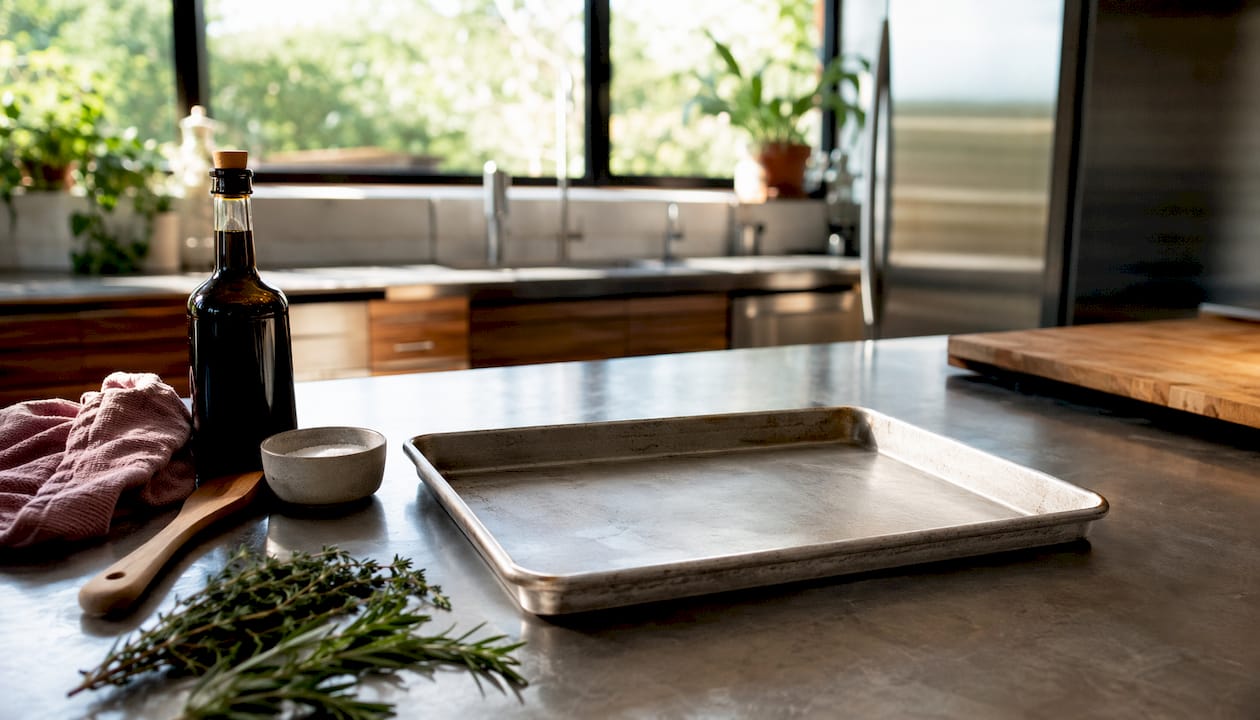
The single most useful piece of equipment is a rimmed, heavy-gauge half-sheet pan. Thin pans warp under high heat, and a warped pan means uneven cooking. A quality rimmed sheet pan produces crunchy-skinned chicken, tender sweet potatoes, and crisp greens all at once because it holds heat evenly across the surface. For a full list of what to stock, the kitchen equipment guide at Adultingwithfood is a good starting point.
Beyond the pan, keep these five accessories on hand:
- Parchment paper: best for most roasting; food releases cleanly and the pan stays nearly spotless.
- Aluminum foil: use for very sticky glazes or when you want to tent the pan and trap steam.
- Silicone spatula: flips vegetables and proteins without scratching the pan.
- Instant-read thermometer: takes the guesswork out of chicken doneness (165°F internal).
- Oven mitts: a half-sheet pan full of hot liquid is heavy; good mitts matter.
Safety note: Most rimmed sheet pans are oven-safe to 450–500°F. Nonstick coatings can degrade and release fumes above 400–450°F. For high-heat roasting, stick with uncoated aluminum or stainless steel pans and use parchment paper for easy release instead of relying on a nonstick surface.
Pro Tip: When buying a pan, pick it up. If it feels flimsy or bends easily in your hands, it will warp in the oven. Go for the heavier one every time.
How to time everything so it finishes together
Staging is the real skill in sheet-pan cooking. "Set it and forget it" is a myth. Different ingredients need different amounts of time, so you add them in waves.
Here is a sample staging timeline for two common pans:
Chicken thighs + potatoes + green beans (total: 40–45 min at 425°F)
- Preheat oven to 425°F. Cut potatoes into 1-inch cubes (smaller than the chicken so they cook through at the same rate).
- Toss potatoes in oil and seasoning. Spread on the pan. Roast 20 minutes.
- Add chicken thighs skin-side up. Roast 15–20 more minutes.
- Add green beans in the last 8 minutes. Toss with a little oil first.
- Check chicken with a thermometer; pull at 165°F internal.
Salmon + potatoes + asparagus (total: 35–40 min at 400°F)
- Preheat oven to 400°F. Cube potatoes small. Roast 20 minutes.
- Add salmon fillets. Roast 10–12 minutes.
- Add asparagus in the last 8 minutes alongside the salmon.
- Salmon finishes in 25–40 minutes total; shrimp needs only 8–12 minutes and should always go on last.
A few more timing rules to keep in mind:
- Flip or rotate the pan halfway through for even browning.
- Tent with foil if the top is browning faster than the inside is cooking.
- Check doneness with a thermometer rather than guessing by color alone.
Warning: Crowded pans steam instead of roast. Steaming kills caramelization and leaves you with soggy vegetables. If your ingredients do not fit in a single layer with space between them, use a second pan.
Simple swaps for vegetarian, pescatarian, gluten-free, and low-carb diets
Every recipe in this guide can be adapted. Here is how:
- Vegetarian: Swap chicken for extra-firm tofu, tempeh, or a double portion of chickpeas. Timing stays similar; tofu benefits from a 30-minute press before roasting to remove excess moisture.
- Pescatarian: Replace sausage or chicken with salmon, cod, or shrimp. Remember that fish cooks fast. Add it 10–15 minutes before the end, not at the start.
- Gluten-free: Most sheet-pan recipes are naturally gluten-free. If a recipe calls for breadcrumbs, use certified gluten-free panko. Check sausage labels, as some contain fillers with gluten.
- Low-carb: Swap potatoes for cauliflower florets or cubed zucchini. Both roast well at 400–425°F and take about 20–25 minutes. Mediterranean-style sheet-pan meals built around chickpeas, za'atar, and olives are naturally low in refined carbs and high in flavor.
- Plant-based sausage: Works as a direct swap in sausage-and-pepper recipes. Cook time is usually the same; check the package for any differences.
The one timing rule that applies across all swaps: delicate proteins (shrimp, fish, tofu) go on the pan last.
Make-ahead, batch-cooking, and reheating tips
Sheet-pan meals are great for meal prep, but a few rules keep the quality high.
What to prep ahead:
- Par-roast dense vegetables (potatoes, carrots, beets) and refrigerate. Finish them in the oven the night you serve.
- Store raw proteins separately from cooked vegetables until you are ready to cook.
- Keep dressings and sauces off until serving so vegetables stay crisp.
Reheating guide:
- Roasted vegetables: Oven at 375°F for 8–10 minutes. Microwave works but softens them.
- Chicken thighs: Oven at 350°F for 10–12 minutes, covered loosely with foil.
- Salmon: Oven at 275°F for 10–15 minutes to avoid drying out. Avoid the microwave if possible.
- Shrimp: Microwave on 50% power for 60–90 seconds, or eat cold over a salad.
- Meatballs: Oven at 350°F for 10 minutes or simmer briefly in sauce.
Freezing: Roasted root vegetables and meatballs freeze well for up to 3 months. Crispy vegetables, delicate fish, and shrimp do not freeze well; the texture turns mushy. A cooking planner helps you map out which components to prep each week.
Cleanup hacks that actually make "minimal cleanup" real
The low-cleanup promise is real, but only if you line the pan correctly.
- Parchment paper: Use it for most roasting. Food releases cleanly, and you can lift and discard the liner in seconds.
- Aluminum foil: Better for very sticky glazes (honey, teriyaki, BBQ). Fold and discard after cooking.
- No liner: Skip the liner when you want maximum browning on the pan surface, like with chicken skin. The pan will need a soak, but the crust is worth it.
- Soak while cooling: Fill the pan with hot water and a drop of dish soap right after you plate dinner. By the time you finish eating, stuck bits lift off easily.
- Nylon scrubber: Gentle enough for most pans without scratching. Avoid steel wool on aluminum.
Pro Tip: For sticky glazes, fold the foil up around the edges before you add food. When dinner is done, fold the foil inward and lift the whole thing out. The pan underneath stays clean.
One safety note: avoid using foil with highly acidic glazes (citrus, vinegar-heavy marinades) for long roasting times. Acid can react with aluminum foil over 45–60 minutes and affect flavor.
Key Takeaways
Sheet-pan cooking works reliably when you use the right pan, stage your ingredients, and give everything enough space to roast.
| Point | Details |
|---|---|
| Use a rimmed half-sheet pan | A heavy-gauge 13x18-inch pan with a 1-inch rim prevents spills and warping at high heat. |
| Stage cook times | Add dense vegetables first, proteins in the middle, and quick items (shrimp, asparagus) in the last 8–12 minutes. |
| Never crowd the pan | Crowded ingredients steam instead of roast; use a second pan if needed to keep items in a single layer. |
| Line for easy cleanup | Parchment paper handles most recipes; foil works best for sticky glazes. |
| Adultingwithfood membership | Weekly recipe drops, grocery checklists, and real chef support help you build on these skills one meal at a time. |
Why sheet-pan dinners are especially good for beginners
Most beginner cooking guides skip the "why" and jump straight to the recipe. That is a mistake. Sheet-pan cooking teaches you three skills that transfer to almost everything else you will ever cook: how to manage heat, how to time different ingredients, and how to season before cooking rather than after.
When you learn to stage a pan correctly, you are actually learning to think like a cook. You start asking, "How long does this take?" and "What goes on first?" Those questions are the foundation of every good meal, not just one-pan dinners. Mastering a single sheet-pan chicken dinner builds more real kitchen confidence than following ten complicated recipes you never fully understand.
Adultingwithfood was built for exactly this kind of learning. The membership gives you beginner-friendly recipes with step-by-step skill instruction, not just ingredient lists. If you want to keep building on what you learned here, that is the natural next step.
Ready to cook with a little more support?
Knowing the recipes is one thing. Having a system behind you makes the difference between cooking once and cooking every week.
Adultingwithfood is a digital cooking membership built for people who are done ordering takeout and ready to cook real meals at home. When you join, you get the Adulting With Food Starter Pack, five new recipes every week, grocery store checklists so you always know what to buy, and real chef support when you get stuck. No guessing, no wasted groceries, no "what do I do next?" moments.
Sheet-pan meals are a great place to start. The membership gives you guided, step-by-step versions of recipes like these, plus the skills to adapt them to whatever is in your fridge. If you want to improve your kitchen setup while you are at it, a quick look at pantry organization can make your whole cooking routine smoother.
Join Adultingwithfood today and get your Starter Pack with your first week.
Useful sources and further reading
These are the resources used to build this guide. Each one is worth bookmarking.
- Super-Easy Sheet Pan Suppers (Allrecipes): Community-tested recipes across diets, plus practical notes on lining, timing, and pan choice. Great for recipe browsing.
- 20 Sheet Pan Dinners for Easy Weeknights (Pinch of Yum): Strong staging and timing advice alongside a solid roundup of weeknight recipes.
- Sheet-Pan Supper Recipe (NYT Cooking): The NYT's benchmark recipe showing how pan choice and staging produce a complete meal simultaneously.
- Easy Sheet-Pan Dinners (NYT Cooking): Cook-time reference for salmon, chicken, and shrimp at 400–425°F.
- 9 Easy Sheet Pan Dinners (The Mediterranean Dish): Mediterranean-style recipes using pantry staples like chickpeas and za'atar; excellent for vegetarian and pescatarian swaps.
- All Kitchen Equipment Beginners Need (Adultingwithfood): Full equipment list for setting up a beginner kitchen, including pan recommendations.
- Basic Cooking Tools Every Beginner Needs (Adultingwithfood): Short buying guide for tools referenced in this article, including spatulas and thermometers.