Every great soup follows the same formula: fat plus aromatics to start, then a main ingredient, then liquid, then a simmer, then a finish. Learn that sequence once and you can improvise a good soup from whatever is sitting in your fridge, no recipe required. The rest of this guide breaks that formula into a repeatable six-step method and a short pantry checklist so you can put it into practice tonight.
TL;DR:
- Using canned or store-bought stock simplifies the process and ensures a flavorful base, especially when homemade stock is unavailable.
- Adding quick-cooking ingredients at the end of cooking prevents overcooking and maintains their texture and flavor.
- Skimming foam during simmering helps keep the broth clear and improves the final appearance of the soup.
- Proper seasoning, especially with salt and acid, is crucial to prevent a flat taste and can usually be fixed with additional simmering or a splash of lemon or vinegar.
- Sticking to no more than three dominant seasonings ensures a balanced flavor profile and prevents competing tastes.
Table of Contents
- Soup Basics: The Building Blocks Behind Every Bowl
- A 6-Step Method: How to Make Soup Without a Recipe
- Pantry Staples and Basic Tools That Make Soup Easy
- Flavor Balancing: Salt, Acid, Fat, and Herbs
- Fixing Common Soup Problems, Plus Storage Rules
- A Simple Chicken Soup, Mapped to the Method
- Why Soup Is the Skill Beginners Should Master First
- Get Guided Practice With Every Soup You Make
- Sources
Soup Basics: The Building Blocks Behind Every Bowl
A soup is really just five decisions stacked on top of each other. Once you know what each ingredient category is doing, swapping one thing for another stops feeling risky and starts feeling obvious.
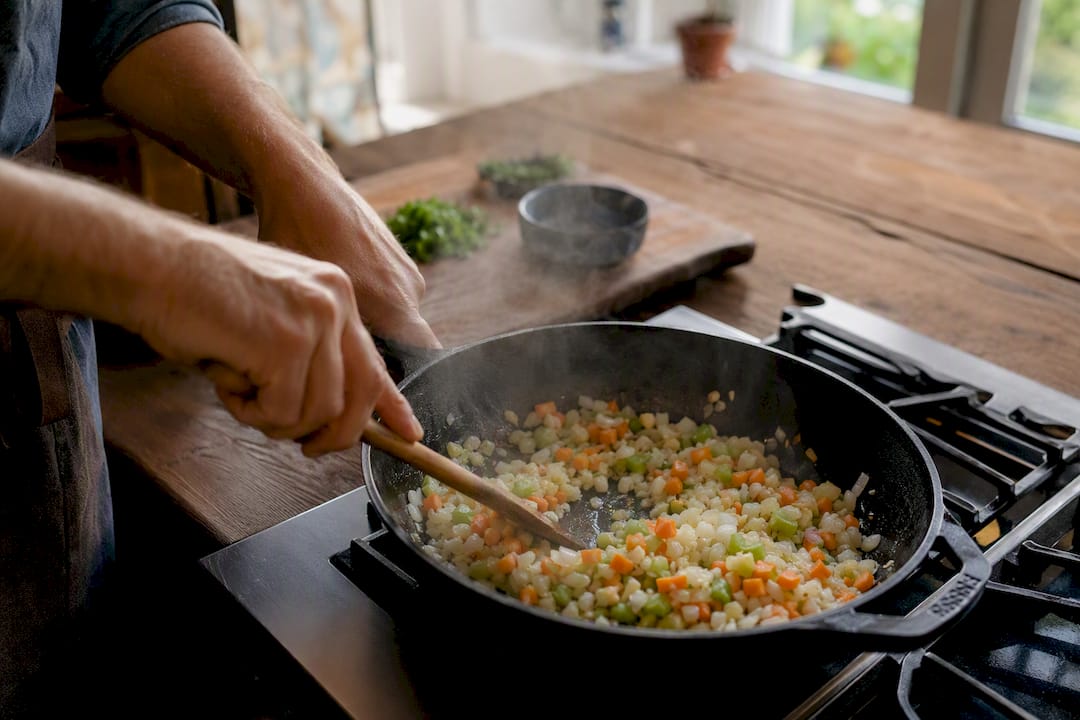
Fat and aromatics come first because they need the most coaxing. Onion, garlic, celery, and carrot release their flavor slowly, and sautéing them in butter or oil wakes up compounds that stay locked away in a raw vegetable. This step does the heaviest lifting for flavor with the least effort of anything you'll do in the pot.
Base liquid is your next call. Chicken or vegetable stock adds body, water keeps things light and lets other ingredients shine, and milk or cream turns a vegetable soup into something richer. If homemade stock isn't in your freezer, a decent store-bought stock or bouillon works fine for a weeknight pot.
Main ingredients fall into a few families, and they don't all cook at the same speed:
- Vegetables (potatoes, squash, greens) — timing depends heavily on density
- Beans and lentils — canned beans save an hour versus dried
- Meat and poultry — bone-in cuts add flavor but need longer simmers
- Grains and pasta — added last so they don't turn to mush
Texture is a choice, not an accident. Brothy soups stay light and let individual ingredients stand out, chunky soups feel more like a meal, and purees give you that silky, restaurant-style bowl. A hand blender makes pureeing simple even if you've never touched one before.
Finishing elements (salt, acid, fresh herbs) are what separate a flat soup from one that tastes finished. Acid especially does work most beginners underestimate, which we'll get into below.
A 6-Step Method: How to Make Soup Without a Recipe
This is the sequence. Learn it once, and you'll never need to hunt for a recipe to make a decent pot of soup again.
- Prep everything first. Dice your aromatics small (they cook fast and disappear into the base), and cut your main ingredients into pieces sized for their cook time. Denser vegetables like potatoes get smaller pieces so they finish with everything else.
- Heat fat, then bloom your aromatics. Two to four minutes over medium heat, stirring occasionally. You're looking for translucent onions and a smell that fills the kitchen, not browning.
- Add hard ingredients and sauté briefly. Carrots, celery, and other slow-cooking vegetables get two or three minutes in the fat before any liquid touches the pot. This step deepens flavor before the liquid dilutes it.
- Add liquid and simmer. A gentle simmer, not a rolling boil, keeps proteins from turning into rubber and keeps broths clear. Root vegetables typically need 15 to 20 minutes; dried beans need much longer unless you swap in canned.
- Add quick-cook items near the end. Pasta, rice, tender greens, and delicate proteins go in during the last five to ten minutes so they don't overcook while the rest of the pot catches up.
- Season, taste, and finish. Salt goes in early and often gets adjusted again at the end, once flavors have had time to meld.
Pro Tip: Taste your soup before you add the final round of salt and acid. A soup that tastes flat right after adding liquid often just needs 10 more minutes of simmering to concentrate before you touch the seasoning at all.
Pantry Staples and Basic Tools That Make Soup Easy
You don't need a stocked professional kitchen to make good soup consistently. You need a short list of ingredients you replace as you use them, and a handful of tools that do double duty.
Keep these on hand:
- Boxed or canned stock, plus bouillon cubes or powder as a backup
- Canned tomatoes, canned beans, and dried lentils
- Rice or small pasta for bulking up a thin soup
- Onion, garlic, carrot, celery, and potatoes
- A lemon, for the acid finish many soups benefit from
For tools, a heavy-bottomed pot with a lid handles everything from a quick weeknight soup to a long simmer. Add a sharp knife, a cutting board, a ladle, and either an immersion blender or a regular blender for purees. A colander earns its spot too, mainly for draining canned beans and rinsing lentils.
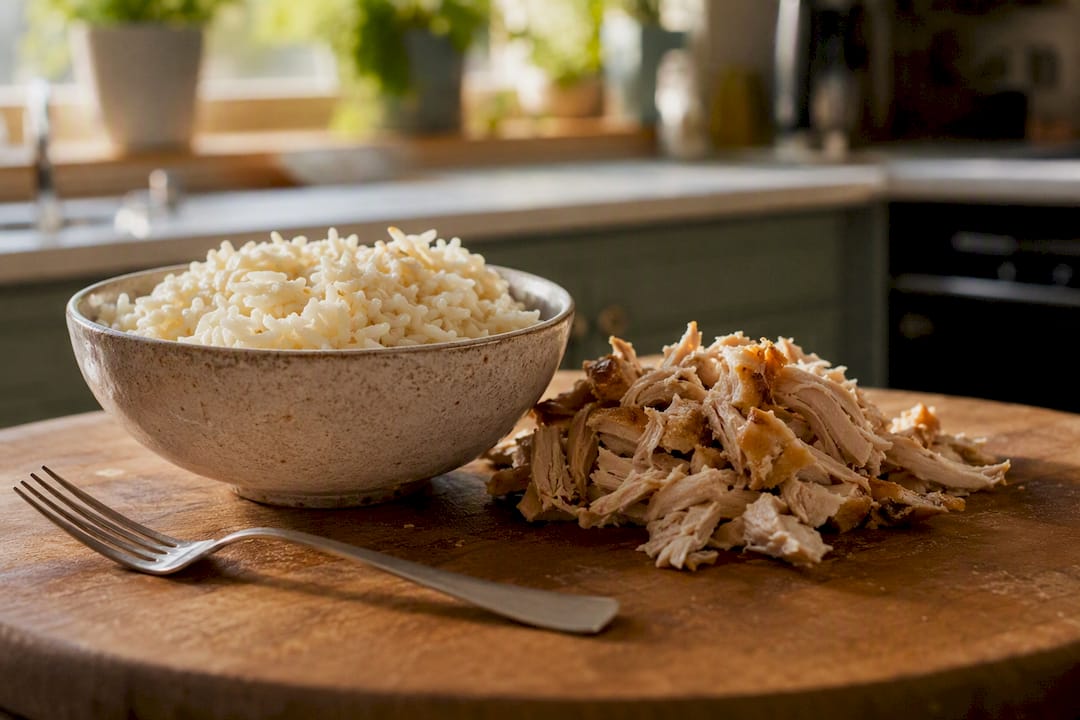
When you're short on time, leftover cooked rice or a rotisserie chicken can replace two or three steps of the method entirely.
Flavor Balancing: Salt, Acid, Fat, and Herbs
Most beginner soups don't fail because of technique. They fail because of seasoning, and the fix is almost always simpler than it looks.
Limit yourself to three dominant seasonings. Reach for more than that and flavors start competing instead of supporting each other, which is a mistake even experienced cooks make in a crowded spice cabinet.
Choosing no more than three dominant seasonings, then finishing with acid like lemon juice or vinegar, brightens richness that would otherwise sit heavy on the palate.
That acid step is the one beginners skip most often, and it's usually the fastest fix for a soup that tastes "almost there." A squeeze of lemon or a splash of vinegar right before serving cuts through fat and makes every other flavor sharper.
For texture, thickening doesn't require a trip to a specialty aisle:
- Blend a portion of a chunky soup and stir it back in for body without losing texture
- Stir in dairy or coconut milk for richness at the very end, off the heat
- Use a roux or cornstarch slurry when you want a soup thick enough to coat a spoon
Herb timing matters more than most people realize. Woody herbs like thyme and rosemary go in early so they have time to soften and release oil. Tender herbs like parsley, basil, and cilantro go in at the very end, or they lose color and turn bitter. A handful of crunchy croutons, toasted nuts, or a drizzle of a bright sauce adds contrast that a spoon of soup alone can't.
Fixing Common Soup Problems, Plus Storage Rules
Every beginner hits the same handful of snags. None of them require starting over.
- Bland soup: simmer longer to concentrate flavor, or add a splash of acid before reaching for more salt
- Too salty: dilute with unsalted stock or water, or drop in a peeled potato to absorb some of the excess
- Cloudy broth: skim the foam that rises during a simmer
- Too thin: reduce over heat or blend a portion back in
- Too thick: loosen with a splash of stock or water
That cloudy broth fix deserves a closer look. When meat or bones simmer, coagulated proteins rise to the surface as foam, and skimming that off during cooking is what separates a clear, restaurant-style broth from a muddy one.
Pro Tip: Keep a fine-mesh spoon or small ladle next to the pot during the first 15 minutes of a bone-based simmer. That's when most of the foam surfaces, and a few passes early on save you from skimming constantly later.
Once your soup is done, homemade soups keep a few days refrigerated and can be frozen for extended periods for best quality without a real drop in quality. Cool soup before sealing it tightly, and reheat it to a full simmer rather than a quick warm-through, especially if it contains meat or poultry. For more on safe cooling and storage windows, food safety basics covers the practices worth building into habit.
A Simple Chicken Soup, Mapped to the Method
Here's the six-step method in miniature. Sauté a diced onion, two carrots, and two celery stalks in butter for three minutes. Add bone-in chicken thighs and sauté another two minutes. Pour in six cups of stock and simmer 25 minutes, since bone-in chicken yields a richer stock as it cooks. Shred the chicken back in, add a handful of egg noodles for the last eight minutes, then finish with salt, pepper, and a squeeze of lemon.
The most common beginner mistake here is rushing the sauté or skipping it, which leaves the whole pot tasting thin. AdultingintheKitchen builds lessons like this into the weekly recipe drops members get, alongside a Starter Pack and direct chef support for exactly the moments a recipe leaves you guessing.
Why Soup Is the Skill Beginners Should Master First
Soup teaches timing, seasoning judgment, and basic knife work with almost no risk of ruining dinner. Mess up the salt or oversimmer a vegetable, and you can usually fix it in the same pot. Repeating the six-step method across different ingredients is what builds real instinct. Once soup feels automatic, practicing your sauté technique and tightening your sense of seasoning balance are the natural next skills to chase.
— Bill
Get Guided Practice With Every Soup You Make
Reading a method is one thing. Having a chef answer your "is this simmering too hard?" question in real time is another. AdultingintheKitchen gives beginner cooks that second option, without the guesswork of piecing together technique from scattered videos and recipe sites.

Members get the Adulting in the Kitchen Starter Pack, five new recipes dropped weekly, grocery store checklists that take the thinking out of shopping, and direct chef support when a soup (or anything else) doesn't turn out the way you expected. It's built for absolute beginners who want structured practice instead of another recipe card that assumes you already know the basics. If soup basics felt like a good starting point, see what the membership includes and get your next batch of recipes this week.
Sources
- How to adjust big-batch soup flavor — Tasting Table
- Basic chicken soup — Martha Stewart
- Skim foam off soup — Chowhound
- How to Make Soup — NYT Cooking